Adding a Front Porch to a Ranch Style Home: Design Ideas, Costs, and What to Expect

Adding a Front Porch to a Ranch Style Home: Design Ideas, Costs, and What to Expect
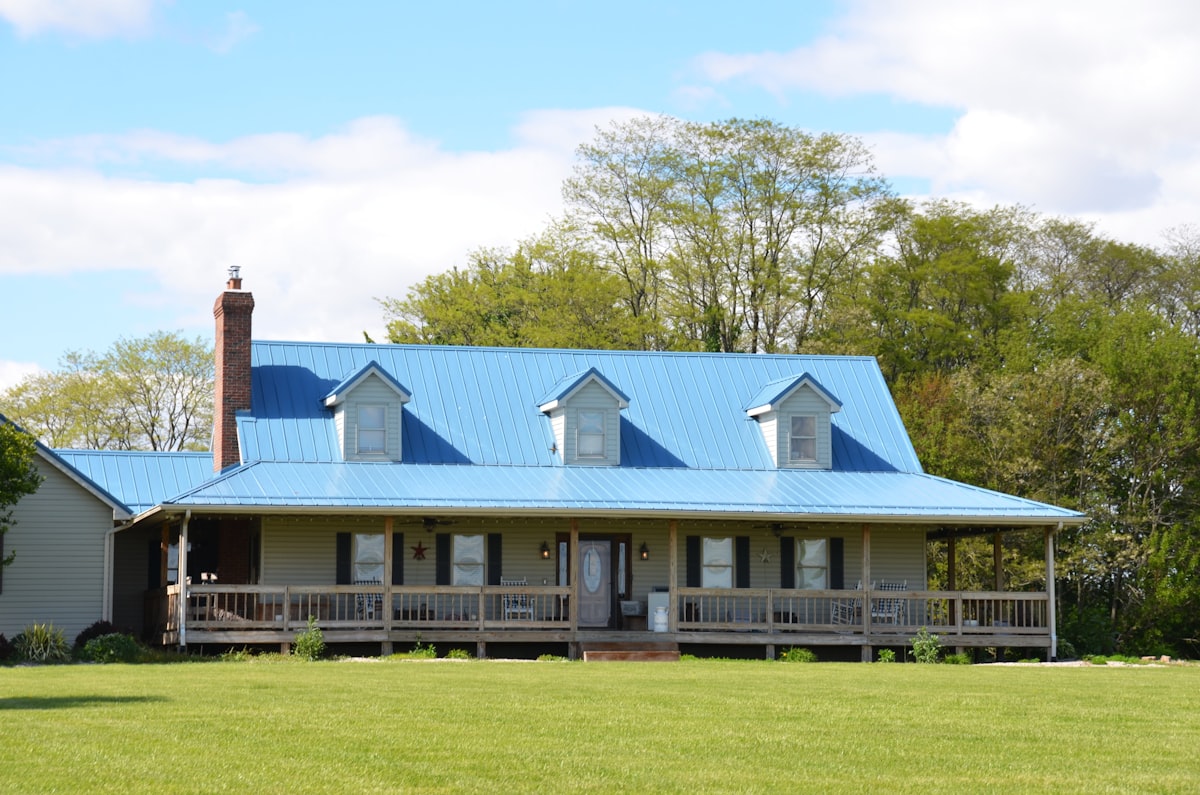
Ranch homes have one architectural problem that drives their owners crazy: the front elevation looks flat. That long, low roofline that seemed so modern in 1962 now reads as featureless, and the small concrete stoop that passes for an entrance doesn't help matters. Adding a front porch to a ranch style home is one of the most effective ways to fix this, transforming a forgettable facade into something with actual presence while creating usable outdoor living space that didn't exist before.
I've watched this particular renovation gain momentum over the past decade, partly because ranch homes remain the most common single-family housing type in America, and partly because homeowners have realized that a well-designed porch addition can return 70-84% of its cost at resale, according to real estate industry data. That's a better ROI than most kitchen remodels, and you get to actually enjoy the space while you live there.
Why Ranch Homes and Porches Work So Well Together
The geometry is almost too perfect. Ranch homes are defined by their horizontal emphasis long rooflines, single-story construction, and facades that spread wide rather than climbing tall. A front porch extends that horizontal line while adding depth and shadow, breaking up the flat plane that makes so many ranches look like they're missing something. The single-story construction also means you're not fighting with second-floor windows or complicated roof intersections when you design the porch roof.
According to Aldridge Construction, a California-based firm specializing in ranch renovations, "Their long, horizontal lines provide a natural foundation for a porch that looks like it belongs." This isn't marketing speak it's architectural reality. A porch on a ranch home doesn't compete with existing features the way it might on a Colonial or Victorian. It completes the composition.
The practical benefits stack up quickly: covered entry protection during rain, a transitional space between indoors and out, somewhere to sit that isn't your backyard, and a staging area for packages. But the curb appeal transformation is what sells most homeowners on the project. A ranch without a porch looks institutional. A ranch with one looks like someone actually lives there and wants to be seen living there.
Design Choices That Shape Your Porch Project
Before you start collecting contractor bids, you need to make some fundamental design decisions that will determine both the cost and the final appearance of your porch. The roof style matters more than most people realize it's the single biggest visual element and often the most expensive component of the build.
Roof Styles for Ranch Porch Additions
The shed roof is the simplest and most common option for ranch porches. It slopes in one direction, typically away from the house, and attaches directly to the existing fascia or wall. Shed roofs work well on ranches because they maintain the low, horizontal aesthetic without adding visual complexity. They're also the least expensive to frame and finish. The downside is that they can look a bit utilitarian if not detailed properly adding substantial trim, appropriately scaled columns, and maybe a ceiling treatment helps elevate the design.
Gable roofs create a peaked profile that adds architectural interest and draws the eye toward the entry. This style works particularly well on ranches that already have a gable over the garage or another portion of the facade, because it creates visual repetition. The peak also allows for better water runoff and can accommodate a ceiling fan more easily than a low-slope shed roof. Expect to pay more for gable framing the ridge beam, rafters, and additional sheathing add labor and materials.
Hip roofs slope on all four sides and give a more finished, substantial appearance. They're excellent at shedding water and snow, making them a practical choice in climates with significant precipitation. The construction is more complex than either shed or gable options, which means higher costs, but the result often looks like the porch was always part of the original house rather than an addition.
Mansard roofs with their distinctive double-slope profile are less common but can dramatically increase the perceived depth of a porch by allowing the roof to extend further from the house without appearing top-heavy. Front Porch Ideas and More notes that "the mansard roof can be extended to increase the depth of a porch" while maintaining proportions that work with the ranch's low profile.
Sizing Your Porch
Depth matters more than width for functionality. A porch that's only 4 feet deep looks like an afterthought and won't comfortably fit furniture. Most designers recommend a minimum of 6 feet for a porch you'll actually use, with 8-10 feet being ideal for seating arrangements. Width is usually constrained by your facade most ranch porches span either the full front of the house or a defined section centered on the entry.
A typical ranch porch addition runs 200-400 square feet, according to HomeLight data. At the smaller end, you're looking at something like a 6x12-foot covered entry with room for two chairs. At the larger end, you've got a genuine outdoor room that can handle a seating group, a small table, and circulation space.
What a Porch Addition Actually Costs
Here's where expectations often crash into reality. Adding a front porch to a ranch home isn't a weekend project or a minor expense it's a structural addition that requires foundation work, framing, roofing, and usually electrical. Belmonte Builders puts it bluntly: "For all intents and purposes, it's really just another room on your house."
Current pricing data from multiple sources suggests the following ranges:
New porch construction typically runs $25-$120 per square foot, according to HomeLight's 2025 analysis. That's a wide range, and where you land depends on materials, complexity, and your local labor market. A basic 200-square-foot porch at the low end might cost $5,000; the same footprint with premium materials and a complex roof could hit $24,000 or more.
HomeAdvisor reports that a small 8x10-foot front porch ranges from $1,900 to $8,800 depending on materials and features. Exterior Additions, a Charlotte-based contractor, quotes $60-$140 per square foot for covered porches including installation putting a 150-square-foot porch somewhere between $9,000 and $21,000.
The cost drivers that push you toward the higher end include: concrete or stone flooring instead of wood decking, custom millwork on columns and railings, integrated electrical for outlets and ceiling fans, and anything that requires modifying the existing house structure (moving windows, extending the roofline, reinforcing the foundation). Geographic location matters enormously too the same porch that costs $15,000 in rural Tennessee might run $35,000 in coastal California.
One thing I couldn't find reliable data on: how much costs have shifted in the past two years specifically. Material prices spiked during the pandemic, partially corrected, and have been volatile since. Get current quotes rather than relying on any published number, including the ones in this article.
The Permit and Construction Process
Almost every jurisdiction requires a building permit for a porch addition. This isn't bureaucratic overreach porches are structural additions that can affect drainage, setbacks, and the safety of your home's envelope. Nashville's Department of Codes explicitly lists front porch additions as requiring permits, and most other municipalities follow similar rules.
The permit process typically requires:
A site plan showing the porch location relative to property lines (setback requirements vary by zoning district). Structural drawings or at minimum a framing plan. Proof that the design meets local building codes for live loads, wind resistance, and connection to the existing structure. In historic districts, you may also need design approval from a preservation board.
Permit timelines range from a few days for straightforward residential projects in smaller jurisdictions to 30-45 days in busy metro areas. Montgomery County, Maryland contractors report that "a realistic planning range is 30-45 days from a clean, complete submission to approval" for deck and patio permits porch additions fall in a similar category.
The actual construction sequence follows a predictable pattern: excavation and foundation work (footings for the porch columns and often a concrete slab or pier foundation), framing the porch floor and roof structure, tying the new roof into the existing house, installing roofing materials, running electrical if included, finishing the ceiling and floor surfaces, and finally installing railings, columns, and trim. A straightforward porch addition typically takes 2-4 weeks of active construction, though scheduling and weather can stretch that timeline.
Return on Investment: What the Numbers Say
Porch additions consistently rank among the better-performing exterior improvements for resale value, though the specific ROI depends on your market and the quality of the build.
Henderson Properties reports that patios and decks offer ROIs of up to 80% "due to their broad appeal and lower costs." Covered porches, which cost more but offer more functionality, tend to land in a similar range. Deck and Drive Solutions cites a national average ROI of 84% for porch additions, noting that a $30,000 screened porch build "could easily tack $21,000-$25,000 onto your sale price."
SB Builders Group references National Association of Realtors data showing patios can recoup up to 95% of their cost, with wood decks recovering up to 89%. Belmonte Builders claims that "roughly 80% of the cost of building a porch is added onto property value."
These numbers are encouraging, but they come with caveats. ROI depends heavily on whether your market values outdoor living space a porch adds more resale value in the Southeast, where outdoor living is a year-round possibility, than in Minnesota, where it's usable for five months. The quality of the build matters too. A cheap-looking porch can actually hurt curb appeal rather than help it. And if your house is already at the top of the neighborhood's price range, you may not be able to recoup the full investment no matter how nice the porch is.
My honest take: don't build a porch primarily for resale value. Build it because you want the space. The ROI is a bonus, not a guarantee.
Matching Your Porch to Your Ranch's Style
Ranch homes span several distinct substyles, and your porch design should acknowledge which one you're working with.
Traditional ranches from the 1950s and 60s tend to have simple, clean lines and minimal ornamentation. A porch addition should follow suit square columns rather than turned, simple railings or no railings at all, and restrained trim details. Craftsman-influenced ranches can handle more substantial columns (tapered or with stone bases) and exposed rafter tails.
California ranches often feature low-pitched roofs and a strong connection to the surrounding terrain. A porch on this style should feel like an extension of the indoor-outdoor living concept that defines the type consider wider openings, minimal visual barriers, and materials that connect to the yard.
Brick ranches present a specific challenge: how do you add a porch that doesn't look tacked-on to a masonry facade? The answer usually involves using brick or stone for the porch columns and foundation wall, creating continuity with the existing material. Painting the porch ceiling a contrasting color (the traditional "haint blue" or a crisp white) can help define the new space while complementing the brick.
Whatever your ranch's specific character, avoid the temptation to over-design the porch. The horizontal simplicity that defines ranch architecture should extend to the addition. Elaborate Victorian-style millwork or oversized columns will fight with the house rather than enhance it.
Common Mistakes and How to Avoid Them
The most frequent error I see is building a porch that's too shallow. Homeowners try to save money by reducing depth, and they end up with a covered walkway instead of a usable outdoor room. If you can't afford a 6-foot-deep porch, wait until you can a 4-foot porch isn't worth the investment.
Ignoring drainage is another common problem. A porch roof collects a significant amount of water, and that water needs somewhere to go. Gutters and downspouts should be part of the plan from the beginning, not an afterthought. The grading around the porch foundation also matters water pooling against your new structure will cause problems faster than you'd expect.
Mismatched materials create an obvious "addition" look that undermines curb appeal. If your ranch has a specific siding profile, the porch ceiling or any vertical surfaces should use the same material or something that deliberately complements it. Roofing materials should match the existing house exactly this is not the place to upgrade to architectural shingles if your house has three-tab.
Skipping the electrical rough-in during construction is a decision homeowners often regret. Adding outlets and ceiling fan wiring after the fact means opening up finished surfaces. Even if you don't plan to install a fan immediately, having the wiring in place costs relatively little during construction and saves significant hassle later.
Working With Contractors
A porch addition falls into an awkward middle ground too complex for most DIYers, but not large enough to attract the attention of high-end custom builders. You'll likely be working with a general contractor who handles residential additions, a dedicated porch/deck builder, or possibly a design-build firm if your project includes significant architectural changes.
Get at least three bids, and make sure they're bidding on the same scope of work. A bid that's 40% lower than the others probably isn't including something foundation work, electrical, or permit fees are common omissions. Ask specifically what's included and what's considered an extra.
Check references and look at completed projects if possible. Porch construction is relatively straightforward, but the details how the roof ties into the house, how the columns are trimmed, how the ceiling is finished separate good work from mediocre work. Those details are visible from the street for as long as you own the house.
Timeline commitments should be in writing. Contractors often juggle multiple projects, and a porch addition isn't usually their highest priority. Establish a start date, expected duration, and what happens if the project runs long.
Is This Project Right for Your House?
Not every ranch home benefits equally from a porch addition. If your house sits very close to the street with minimal front yard, a porch may feel cramped and look disproportionate. If your facade has multiple bump-outs or an irregular roofline, integrating a porch becomes more complicated and expensive. And if your neighborhood consists primarily of porchless ranches, adding one might make your house look out of place rather than upgraded though this is increasingly rare as porch additions have become common.
The best candidates for porch additions are ranches with at least 15-20 feet of front yard depth, relatively simple and symmetrical facades, and neighborhoods where outdoor living space is valued. If your house checks those boxes and you've been wishing for a covered outdoor space, this project is worth pursuing.
The transformation from flat-fronted ranch to welcoming porch house is one of the most satisfying exterior renovations you can undertake, and unlike many home improvements, you'll experience the benefits every single time you come home.