What Is Transitional Interior Design? A Complete Guide to This Timeless Style

What Is Transitional Interior Design? A Complete Guide to This Timeless Style
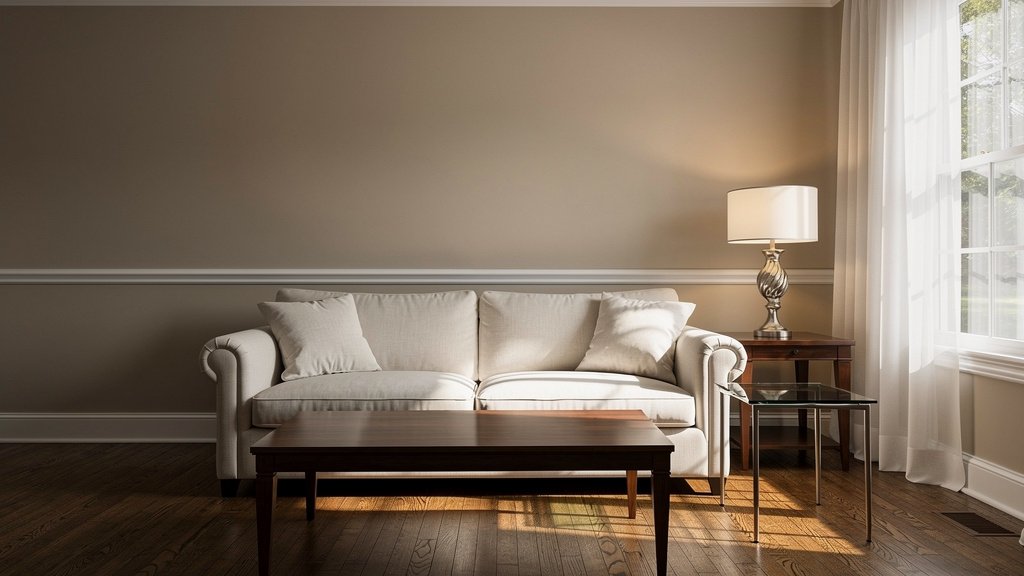
Transitional interior design is the art of blending traditional elegance with contemporary simplicity to create spaces that feel both timeless and fresh. If you've ever found yourself torn between classic furniture pieces and modern aesthetics, you're not alone in that dilemma. This approach offers a curated middle ground that captures the warmth of traditional design while embracing the clean lines and understated palette of contemporary style.
The concept emerged in the mid-20th century as designers sought to bridge the gap between ornate classical aesthetics and the minimalism of modern design. Rather than forcing homeowners to choose one style over another, transitional design welcomes both into a harmonious relationship. According to Los Angeles-based designer Jenn Feldman, quoted in Elle Decor, it serves as "the palate cleanser of all design styles" a versatile approach that works in virtually any space.
Understanding the Transitional Design Aesthetic
Transitional interior design balances two distinct design philosophies. Traditional design brings rich wood tones, detailed moldings, and furniture with classic proportions and curved lines. Contemporary design contributes clean silhouettes, neutral color palettes, and streamlined functionality. When these elements combine thoughtfully, the result is a space that feels refined yet approachable sophisticated without being stuffy.
What makes transitional design particularly appealing is its accessibility. Unlike rigid design styles that demand strict adherence to specific rules, transitional interiors allow for considerable personal expression while maintaining visual cohesion. The style works especially well for families where different members have varying aesthetic preferences, or for homeowners who want their spaces to feel current without requiring complete redesigns every few years.
Key Elements and Characteristics
Several defining characteristics distinguish transitional interior design from other styles. Understanding these elements helps homeowners and designers create authentic transitional spaces rather than simply mixing random furniture pieces.
Neutral Color Palettes
The foundation of any transitional space is a neutral color scheme. Interior designers consistently rely on colors like beige, taupe, white, cream, and gray to create a calming backdrop. These tones provide visual serenity and allow furniture and accessories to take center stage. According to design experts at Architectural Digest, transitional design typically features "neutral color palettes often made up of whites, creams, tans, and grays" as the primary foundation.
Strategic color pops can be introduced through artwork, throw pillows, or accent rugs, but these should remain purposeful rather than overwhelming. The neutral base creates flexibility, allowing homeowners to refresh their look with seasonal accessories without undertaking major renovations.
Clean Lines and Balanced Proportions
Transitional furniture combines the straight lines of contemporary pieces with the curves of classic designs. This creates a visual language that feels neither too rigid nor too decorative. The lines are simplified versions of traditional details think crown molding without elaborate carving, or a sofa with rolled arms but a lowered profile.
Mixed Materials and Textures
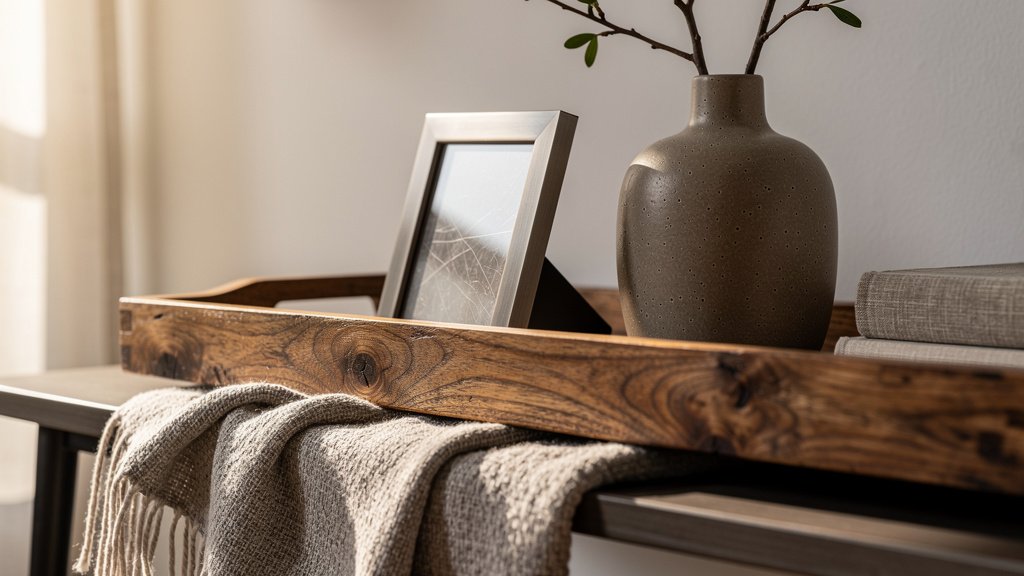
Texture plays a crucial role in transitional design, compensating for the restrained color palette. A successful transitional room layers materials like wood, metal, glass, and fabric to create visual interest. A wooden coffee table might sit alongside a glass lamp, while metal hardware on cabinetry contrasts with fabric-upholstered seating.
Types and Variations of Transitional Design
Transitional design isn't a monolithic style it encompasses several variations that adapt the core principles to different contexts and preferences.
Nashville-based interior designer Debbie Mathews notes that "transitional design appeals to a broad base of design tastes as many people don't want to feel boxed in by picking a rigid design lane and instead lean into the interest created when mixing design styles." This flexibility explains why the style has remained popular across decades and continues to attract homeowners seeking longevity in their design choices.
Building Your Transitional Interior
Creating an authentic transitional interior requires thoughtful layering and intentional choices. The following approach breaks down the process into manageable steps.
- Establish your foundation: Start with neutral wall colors and larger furniture pieces in whites, creams, taupes, or soft grays. These elements will anchor the space and provide flexibility for future updates.
- Select a anchor piece: Choose either a traditional or contemporary statement piece as your starting point. A classic wingback chair or a sleek modern sofa can set the entire direction of the room.
- Layer with complementary furniture: Add pieces that contrast with your anchor. If you started with traditional, introduce contemporary elements, and vice versa. Pay attention to proportions transitional furniture tends to be smaller and lighter than purely traditional pieces.
- Add textural variety: Incorporate different textures through rugs, curtains, throw pillows, and decorative accessories. Mix smooth surfaces with knotted or woven materials.
- Introduce strategic color: Choose one or two accent colors and use them consistently in smaller doses throughout the space. This creates cohesion without overwhelming the neutral base.
- Edit ruthlessly: Transitional design favors simplicity and clean sightlines. Remove items that create visual clutter or compete with your curated mix of styles.
Transitional vs. Contemporary vs. Traditional Design
Understanding the distinctions between these three popular styles helps clarify what makes transitional design unique.
Traditional design leans heavily into historical aesthetics think carved wood furniture, rich jewel tones, elaborate window treatments, and symmetrical arrangements. Contemporary design, by contrast, evolves with current trends and emphasizes minimalism, with color palettes that often shift with the seasons. Transitional design occupies the middle ground: it maintains consistent principles rather than chasing trends, while borrowing both formal elements and casual comfort from its neighbors.
"Unlike contemporary design, which evolves with current trends, transitional style maintains consistent principles focused on merging formal architectural elements with casual comfort." Wikipedia, Transitional Style
The furniture itself differs notably between styles. Traditional furniture tends to be larger and heavier with more ornate details. Contemporary pieces feature sleek, straight lines and often use industrial materials. Transitional furniture strikes a balance scaled-down versions of traditional silhouettes with simplified details, often featuring metal accents or glass elements that nod to contemporary design.
Where Transitional Design Works Best
Transitional interior design works exceptionally well in various residential contexts, offering practical benefits that explain its enduring popularity.
Living rooms benefit enormously from the transitional approach, as the style creates spaces that feel welcoming for family gatherings while maintaining visual sophistication for entertaining. The neutral palette provides a versatile backdrop that accommodates different activities and seasons, while the mix of comfortable seating (traditional influence) and clean sightlines (contemporary influence) serves both relaxation and aesthetics.
Kitchens and dining areas also adapt well to transitional design. Cabinetry can feature traditional door styles with contemporary hardware and finishes, while countertops and fixtures lean toward modern simplicity. This combination creates spaces that feel polished and functional without the coldness that sometimes accompanies ultra-modern kitchens.
Bedrooms benefit from the calming effect of transitional color palettes, while the mixed furniture selections allow for creating restful retreats that don't feel sterile. A transitional bedroom might pair a classic upholstered bed with contemporary nightstands and lamps, achieving balance that promotes relaxation.
Best Practices and Tips
Successfully executing transitional design requires attention to several key principles that separate cohesive spaces from confused ones.
Proportion balance matters more than most people expect. Transitional spaces work best when neither traditional nor contemporary elements dominate if a room features several ornate traditional pieces, counter them with sleek contemporary accessories, and vice versa. The goal is visual tension that resolves into harmony.
Invest in quality basics. Because transitional design relies on neutral foundations, the underlying pieces sofas, dining tables, case goods should be well-constructed and timeless rather than trendy. These anchors provide the stability that allows accent pieces to shine.
Since color is restrained, texture becomes your primary tool for creating visual interest. Combine smooth leather with soft knits, polished wood with matte finishes, and woven rugs with silk curtains this textural variety prevents spaces from feeling flat or boring.
Edit consistently. Transitional design has no room for clutter or excess. Each piece should earn its place through either function or deliberate aesthetic contribution. Regular editing ensures the space maintains its refined character over time.
Common Mistakes and Misconceptions
Several misconceptions about transitional design lead to unsuccessful implementations that miss the style's intent.
One common mistake is confusing transitional with eclectic design. While both involve mixing styles, transitional design requires much more control and coordination. Eclectic spaces can feel free-flowing and spontaneous, but transitional spaces must maintain balance and symmetry. The style represents "casual elegance at its finest," as noted by NewHomeSource, requiring "skillful control and coordination" rather than random mixing.
Another misconception is that transitional means boring. The restrained color palette sometimes leads homeowners to fear their space will feel bland. However, the texture layering and strategic accent colors create rich, dynamic environments that reward closer inspection.
Some attempt to incorporate too many eras simultaneously, mixing Victorian antiques with 1970s modern pieces alongside contemporary items. Transitional design specifically focuses on blending design styles (traditional versus contemporary), not eras. The goal is aesthetic balance between two design philosophies, not a chronological survey of furniture history.
Finally, failing to edit adequately undermines transitional spaces. Because the style combines multiple influences, each element must be carefully considered. Spaces that accumulate over time without editing lose the refined quality that defines transitional design.
Questions Worth Asking Before You Start
What defines transitional interior design?
Transitional interior design blends traditional and contemporary styles to create spaces that feel timeless rather than tied to any single era, relying on neutral color palettes, clean lines, and furniture that combines classic proportions with simplified details.
How does transitional design differ from contemporary design?
Contemporary design evolves with current trends what's popular now defines contemporary aesthetics. Transitional design maintains consistent principles regardless of passing trends, focusing on merging formal architectural elements with casual comfort in a way that stays stable over years rather than months.
What colors work best in transitional interiors?
Whites, creams, taupes, grays, and soft browns form the backbone of most transitional palettes. Strategic color pops through artwork, pillows, or rugs are fine, but they should stay restrained the moment accent colors start competing with each other, the cohesion falls apart.
Can transitional design work in small spaces?
It actually tends to work better in small spaces than many other styles, since the emphasis on clean lines and neutral colors helps rooms feel larger and more open. Scale your furniture appropriately and lean hard into the "less is more" editing principle.
Is transitional design expensive to achieve?
Not necessarily. The style emphasizes quality basics over trend-driven pieces, so a well-made neutral sofa can anchor a room for a decade while you update accessories more economically around it which is arguably more budget-friendly long-term than chasing styles that demand constant refreshing.
How do I start transitioning an existing room?
Remove items that feel overly tied to a specific era, keeping pieces with clean lines and neutral appeal. Add a neutral foundation with wall color and larger furniture, then layer in contrasting elements if your existing pieces lean traditional, add contemporary accessories; if they feel too modern, introduce classic elements through textiles or decorative objects. Edit ruthlessly.
What to Remember
Transitional interior design blends traditional elegance with contemporary simplicity to create spaces that feel timeless rather than tied to specific trends. The style emerged in the mid-20th century and relies on neutral color palettes, clean lines, and mixed materials to achieve its signature sophisticated yet approachable feel. Key characteristics include neutral bases (whites, creams, taupes, grays), furniture combining classic proportions with simplified details, and textural layering that compensates for restrained color. Unlike contemporary design, which evolves with trends, transitional design maintains consistent principles focused on merging formal elements with casual comfort and that stability is precisely what makes it worth considering if you want a space that won't feel dated in five years.