African Violet Care: Complete Guide to Growing Healthy, Blooming Plants

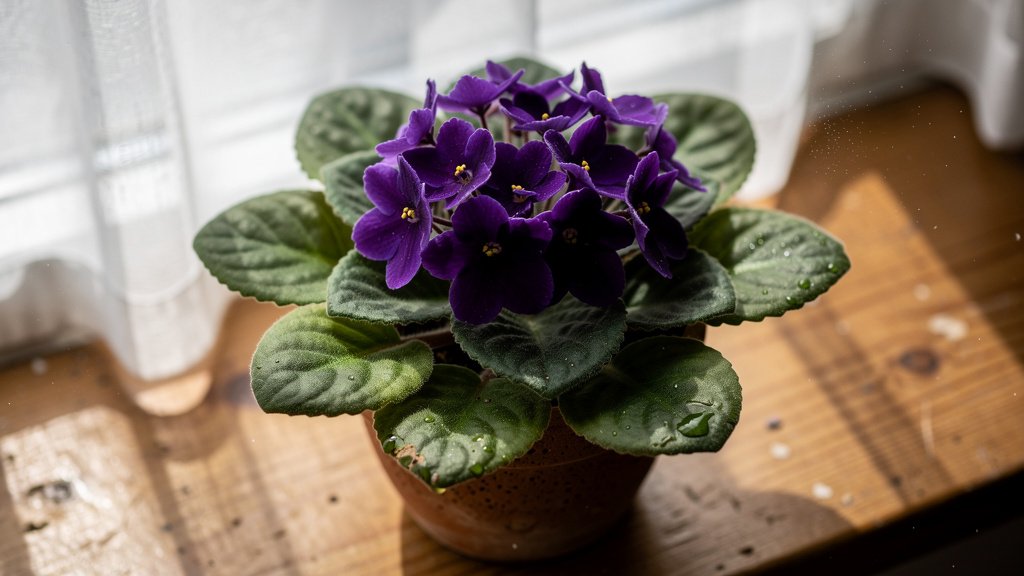
African Violet Care: Complete Guide to Growing Healthy, Blooming Plants
African violets have remained a favorite houseplant for generations, and it's easy to see why. With their soft, velvety leaves and vibrant blooms that can appear year-round, they add an instant pop of color to windowsills, desks, and tabletops without requiring a lot of space. They're also forgiving enough for total beginners yet rewarding enough for experienced collectors.
The key to success lies in understanding what these East African natives actually need. They're not demanding, but they do have preferences and meeting those preferences will transform your plant from "surviving" to thriving. Let me walk you through everything you need to know.
Understanding Your African Violet
Despite their name, African violets (Saintpaulia ionantha) aren't true violets at all they're members of the Gesneriad family, native to the rainforests of Tanzania and Kenya. What they inherited from their tropical origins is a love for warm, humid conditions and bright, filtered light.
These compact, low-growing plants feature velvety leaves and produce flower clusters that can last from three to six weeks. Modern hybrids have brought us double and semi-double petals, bi-colored flowers, trailing cultivars, and miniature varieties that stay compact even when mature. With the right conditions, your African violet can live and bloom for decades.
Types and Varieties of African Violets
African violets come in several size categories, each suited to different spaces and growing situations. Understanding these categories helps you choose the right plant for your environment.
Standards are the classic African violet, growing 8 to 12 inches in diameter with full-sized leaves and large flower clusters. These are what most people picture when they think of African violets, and they work well as tabletop specimens or windowsill plants in rooms with adequate space.
Semi-miniatures measure 6 to 8 inches across, offering the same flower production in a more compact form. They're particularly popular with collectors who want to grow multiple varieties in limited space.
Miniatures stay between 3 and 6 inches in diameter, making them perfect for small spaces, terrariums, or anyone who wants the beauty of African violets without committing to larger plants. These tiny powerhouses still produce proportionally large blooms relative to their size.
Trailing African violets represent a different growth habit entirely their stems cascade over the pot's edge, creating a flowing effect ideal for hanging baskets or elevated planters. These come in all size categories from micro-miniature to standard.
Choosing the Right Variety for Your Space
If you're working with a cramped apartment or only have north-facing windows, a miniature variety might be your best bet. Standard varieties need more room to develop their full crown, while miniatures thrive in smaller pots and tolerate slightly lower light levels without becoming leggy.
Trailing varieties require different care than standard types they benefit from slightly larger pots relative to their leaf size and need more frequent watering since their cascading growth pattern increases water loss through their extended stems.
Light Requirements: The Most Critical Factor
Light is the make-or-break factor for African violet success. These plants need plenty of bright light to bloom, but that light must be filtered direct sunlight will scorch their delicate leaves.
African violets need at least 10 to 12 hours of bright, indirect light daily to thrive and bloom consistently. Placing them near a north- or east-facing window gives them the gentle morning sun or steady indirect light they prefer. West-facing windows can work too, but you'll need to filter the afternoon sun with a thin curtain. South-facing windows generally provide too much direct light unless you position the plant several feet back from the glass.
The symptoms of incorrect lighting are unmistakable. Too little light, and your plant won't flower the leaves may also become darker green as the plant stretches toward available light. Too much light, and the leaves develop brown, scorched patches or appear bleached. The plant may also become stunted or stop growing entirely.
If your home lacks adequate natural light, fluorescent or LED grow lights placed 12 to 18 inches above the plant can substitute effectively. Many indoor gardeners successfully grow African violets under artificial lighting alone, running the lights for 10 to 14 hours daily.
"With the right light and care, African violets can bloom year-round indoors," says Karen Musgrave, horticulturalist at Hicks Nurseries. "Their appeal goes beyond longevity their flowers are prized for their color rather than fragrance, as most varieties have little to no noticeable scent, making them a great choice for people who are sensitive to smells yet still want to adorn their homes with their natural beauty."
Watering Techniques and Best Practices
Watering is where many African violet owners run into trouble. These plants are often marketed as "easy," which is true but only if you understand their watering needs. The phrase "keep evenly moist" gets thrown around a lot, and it's misleading. African violets prefer soil that consistently feels like a wrung-out sponge moist throughout but never soggy.
The best approach involves watering from below. Self-watering African violet pots (also called African violet pots) feature a reservoir that allows the plant to draw water up through wicking material. This method keeps the root zone consistently moist without saturating the crown area where rot starts. Traditional ceramic pots designed for African violets work on the same principle a separate water chamber surrounds the inner planting pot.
If you're using conventional pots, bottom watering works well. Place the pot in a saucer of water and let the plant absorb moisture for 30 minutes to an hour. This encourages deeper root growth and keeps water off the leaves, which can develop water spots or rot when wet.
Water temperature matters more than most people realize. Cold water shocks African violet roots and can cause leaf curl or stunt growth. Always use room-temperature water let tap water sit overnight so chlorine dissipates if your municipal supply uses chlorine.
Water quality is equally important. Softened water contains salts that accumulate in the soil and damage roots. Chlorinated water can also cause problems over time. Room-temperature distilled water, rainwater, or reverse-osmosis filtered water produces the best results, especially if your tap water is particularly hard.
How to Water Correctly
- Check soil moisture before watering by touching the soil surface it should feel slightly moist, not wet or bone-dry
- For bottom watering, fill a saucer with room-temperature water and place the pot in it for 30-60 minutes
- Empty any remaining water after bottom watering to prevent the pot from sitting in liquid
- If using self-watering pots, keep the reservoir filled but check that soil isn't staying waterlogged
- Avoid getting water on the leaves if this happens, gently blot dry with a soft cloth
Soil and Potting Mix
African violets need a soil mixture that's loose, porous, and well-draining. Standard potting soil retains too much moisture and compacts around the roots, creating the soggy conditions that lead to rot. A good African violet mix contains ingredients that hold moisture while allowing air to reach the roots.
Commercial African violet potting mixes are widely available and work well. These are typically soilless blends containing peat moss, perlite, and vermiculite in proportions formulated for African violet needs.
If you prefer mixing your own, the classic formula is equal parts peat moss, loamy garden soil or soil-based commercial potting mix, and perlite, vermiculite, or coarse sand. This combination provides structure, drainage, and moisture retention in balance.
Perlite is particularly valuable it creates air pockets in the soil that prevent compaction and ensure roots get the oxygen they need. Adding extra perlite to commercial mixes can improve drainage if your mix seems to retain too much moisture.
Repotting becomes necessary when your African violet develops a bare "neck" a length of bare stem between the leaves and the soil line. This happens as the plant matures and lower leaves die off. When repotting, choose a pot only one size larger. African violets actually prefer to be slightly under-potted; too much soil volume holds moisture longer and increases rot risk.
Temperature and Humidity
African violets thrive in temperatures between 65°F and 80°F (18°C to 27°C), making them well-suited to typical indoor environments. They prefer consistent temperatures and should be kept away from cold drafts, heating vents, and air conditioning blowers. Sudden temperature fluctuations stress these plants and can cause bud drop or leaf curling.
Humidity is where most homes fall short. In their native rainforest habitat, African violets experience humidity around 80%. Most homes have humidity between 30% and 50%, which is fine for many houseplants but on the low end for African violets.
The good news is that African violets adapt reasonably well to average home humidity. You can boost humidity by placing pots on saucers filled with pebbles and water the evaporating water creates a more humid microclimate around the plant. Grouping plants together also increases local humidity through collective transpiration. Bathrooms and kitchens typically have higher humidity and can be excellent locations for African violets, provided there's enough light.
Avoid misting the foliage directly. Water sitting in the crown (the center where new leaves emerge) promotes crown rot, one of the most common African violet killers. If you want to increase humidity, a cool-mist humidifier near your plants works better than misting.
Fertilizing for Optimal Growth and Blooms
African violets are moderate feeders they need regular nutrition to produce the constant blooms that make them worthwhile, but over-fertilizing causes salt buildup and root damage. The key is consistency with diluted fertilizer applied frequently rather than infrequent heavy feedings.
Look for fertilizers specifically formulated for African violets, or use a balanced houseplant fertilizer diluted to half the package strength. The ideal NPK ratio (nitrogen-phosphorus-potassium) for African violets is either 3-1-2 or 1-1-1, though many successful growers use standard 20-20-20 diluted to quarter-strength.
Feed your African violet with every watering if you want abundant blooms this is the approach recommended by the African Violet Society of America for optimal results. This "weakly, weekly" approach prevents salt buildup while ensuring consistent nutrition. If you prefer less frequent feeding, every two weeks works but may result in fewer blooms.
Watch for signs of fertilizer problems. White crust on the soil surface or pot edges indicates salt buildup from over-fertilizing. Brown leaf tips often signal fertilizer burn. If you see these symptoms, flush the soil thoroughly with plain water and reduce your feeding frequency or dilution strength.
Propagation: Growing New Plants from Leaf Cuttings
One of the most rewarding aspects of African violet ownership is propagation growing new plants from a single leaf. It's surprisingly easy and a great way to expand your collection or share plants with friends.
Select a healthy outer leaf from your plant. The leaf should be mature (not the smallest new growth, but not the oldest bottom leaves either) and completely free of pests or damage. Use a clean, sharp knife or scissors to cut the leaf with about 1-2 inches of stem.
- Prepare the leaf cutting by trimming the stem to 10-20mm (about half an inch), cutting at an angle to increase the surface area from which roots will grow
- Fill a small pot with moistened vermiculite or a 50/50 mix of potting soil and perlite something light and free-draining that encourages root development
- Use a dibber or pencil to create a hole in the mix and insert the stem, firming the soil around it so the leaf blade rests on the soil surface
- Cover the pot with a clear plastic bag or place it in a propagation chamber to maintain humidity
- Place in bright, indirect light (not direct sun) and keep the soil slightly moist
- After 2-4 weeks, roots will form; baby plantlets typically emerge from the base of the leaf in 6-8 weeks
Once the plantlets have developed several sets of leaves and their own root systems, they can be separated and potted individually. This process takes several months but is deeply satisfying you'll have dozens of new plants from just one leaf.
Common Problems and How to Solve Them
Even with excellent care, African violets occasionally run into problems. Knowing what to watch for helps you catch issues early, when they're easier to fix.
Root and Crown Rot
This is the most common killer of African violets, and it's almost always caused by overwatering. The first symptom is droopy leaves a natural reaction is to water more because the plant looks wilted, but this makes the problem worse. Under consistently wet conditions, roots lose their ability to absorb water and oxygen, leading to decay.
Leaves of plants with rot usually turn yellow, become mushy, and fall off. The crown (center of the plant) may turn brown or black. Prevention is straightforward: use well-draining soil, allow the soil surface to dry slightly between waterings, ensure pots have drainage holes, and keep water out of the crown.
If you catch rot early, you may be able to save the plant by removing affected parts with sterile tools, letting the remaining healthy portion dry for a few hours, and repotting in fresh, dry soil. If the crown is affected, propagation from a healthy leaf is usually your best option.
No Blooms
If your African violet produces beautiful leaves but no flowers, light is usually the culprit. These plants need bright indirect light to set buds. Move your plant closer to a window, or supplement with grow lights. Other causes include insufficient fertilizer (feed regularly during active growth), temperatures outside the ideal range, or the plant being too young newly propagated plants typically don't bloom until they're mature.
Leggy Growth
Stretching stems and small, spaced-apart leaves indicate the plant isn't getting enough light. This is especially common in winter months and in homes with limited natural light. Move to a brighter location or add artificial lighting. Leggy plants can be propagated from their healthiest leaves to start fresh.
Yellow Leaves
Yellowing leaves can indicate several issues. Overwatering causes yellow, mushy leaves that may fall off easily. Underwatering produces yellow, crispy leaves that feel dry. Too much direct sun burns leaves, causing yellow or brown patches. Nutrient deficiency can also cause general yellowing feed regularly and consider whether the plant needs repotting into fresh soil.
Leaf Spots and Damage
Water spots on leaves occur when cold water touches the foliage always use room-temperature water and avoid misting. Brown leaf edges usually indicate low humidity or fertilizer burn. Pests are less common on indoor African violets but can include cyclamen mites (which cause distorted, hairy new growth) and mealybugs (white, cottony masses in leaf joints). Quarantine affected plants and treat with appropriate insecticides or miticides.
Comparison: Self-Watering Pots vs. Traditional Watering
Seasonal Care Considerations
African violets don't experience true dormancy, but their growth does slow in winter months when light levels drop. Adjust your care routine accordingly water slightly less frequently since the plant uses less moisture, and reduce fertilizer to once every two weeks instead of weekly.
Winter is also when problems are most likely to appear. The combination of shorter days, drier indoor air from heating, and cold windows can stress plants. Move your violets closer to light sources, add a humidity tray, and keep them away from cold windowsills place a folded towel or wooden board between the pot and cold glass.
Summer care focuses on protecting from heat and intense light. Move plants back from south-facing windows that become too bright, watch for increased water needs as temperatures rise, and ensure good air circulation to prevent fungal problems in humid weather.
Key Takeaways
- Provide bright, indirect light for 10-12 hours daily east or north-facing windows work best
- Water from below using self-watering pots or saucer method; keep soil moist but never soggy
- Use room-temperature, chlorine-free water (distilled, rainwater, or reverse-osmosis)
- Maintain temperatures between 65-80°F and boost humidity with pebble trays or grouping
- Feed lightly but consistently with African violet fertilizer diluted to half-strength
- Use loose, well-draining potting mix; repot only when necessary into slightly under-sized pots
- Propagate easily from healthy leaf cuttings for endless new plants
Frequently Asked Questions
How often should I water my African violet?
Water when the top inch of soil feels slightly dry to the touch typically every 5-7 days, but frequency depends on your home's humidity, temperature, and the potting mix you're using. Self-watering pots may only need refilling every 1-2 weeks. The most important rule is to check the soil rather than watering on a fixed schedule.
Why won't my African violet bloom?
Insufficient light is the most common reason African violets refuse to bloom. These plants need bright, indirect light to set buds move yours closer to a window or add grow lights. Other causes include inadequate fertilizer, temperatures outside the 65-80°F range, or the plant being too young. Make sure you're feeding regularly during the growing season.
Can African violets grow in bathrooms?
Yes, bathrooms can be excellent locations for African violets because of their naturally higher humidity. The main requirement is enough light bathrooms typically have smaller windows, so you may need to supplement with artificial lighting. Just ensure the temperature stays consistently warm and avoid placing plants where they might get splashed with hot water.
What's causing brown spots on my African violet leaves?
Brown spots usually indicate the foliage got wet with cold water, fertilizer burn, or sunscald from direct light exposure. Always use room-temperature water and avoid getting it on the leaves. If you need to clean leaves, use lukewarm water and gently blot dry. Move plants out of direct sun if you see bleaching or brown patches.
How do I treat root rot in African violets?
Remove the plant from its pot, trim away all mushy, brown, or slimy roots with sterile scissors, and let the remaining healthy root ball dry for several hours. Repot in fresh, dry, well-draining soil in a clean pot. Water very sparingly until new growth appears. If the crown is affected, propagate from a healthy leaf instead it's often the only way to save the variety.
Do African violets need special pots?
Standard pots work fine, but African violet pots (self-watering designs with a water reservoir) make care easier and reduce certain risks. These specialized pots come in ceramic and plastic versions and are widely available at garden centers. The key advantage is consistent moisture without water sitting in the crown area. Any pot with drainage holes will work if you're careful about watering.