How to Get Rid of Drain Flies: A Complete Guide to Eliminating Them for Good

How to Get Rid of Drain Flies: A Complete Guide to Eliminating Them for Good
You've probably seen them those tiny, fuzzy moths hovering around your sink drain, moving in that характерный erratic, bouncing pattern. Drain flies, also known as moth flies, sewer flies, or sink flies, are one of the most persistent household pests you'll encounter. They're not just annoying; they can actually transmit diseases from the surfaces they land on. The frustrating thing is that most people don't know how to get rid of drain flies properly, which is why they keep coming back.
The key to eliminating drain flies lies in understanding that the adults you see flying around your bathroom are only half the problem. The real issue is the breeding colony hidden inside your pipes and most DIY treatments only kill the adults while leaving the eggs and larvae completely untouched. This guide walks you through exactly what's causing the infestation, the proven methods that actually work, and the prevention strategies that will keep these pests from returning.
What Are Drain Flies and Why Are They in Your Home?
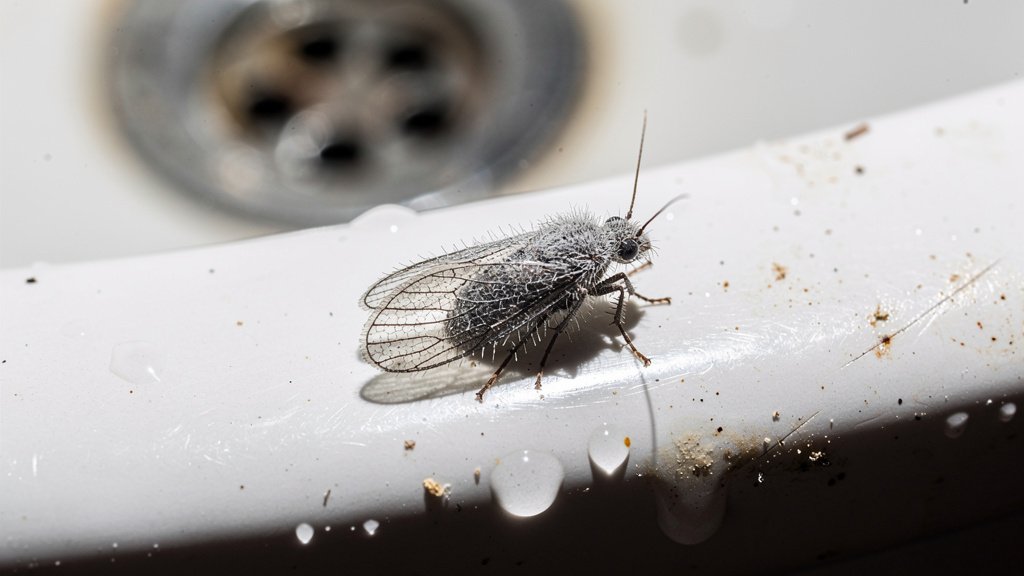
Drain flies belong to the Psychodidae family and are small, fuzzy insects that measure between 2-4 mm in length roughly 1/16 to 3/16 of an inch. Their bodies are covered in fine hairs that give them a moth-like appearance, which is how they earned the nickname "moth flies." Adults can range in color from light gray to tan to brown, with some species appearing almost black. Their wings are broad and leaf-shaped, held roof-like over their abdomen when at rest.
These insects thrive in humid environments with decomposing organic matter, which makes your kitchen and bathroom drains the perfect breeding ground. According to the Alabama Cooperative Extension System, drain flies occur naturally in "shaded locations containing moist, decaying organic matter" and are commonly associated with "sewage treatment plants and sewer drains, wet compost areas, garbage cans with standing water, clogged gutters, [and] potted plants with wet soil."
The reason drain flies are so difficult to eliminate is their life cycle. According to Green Drains, the complete drain fly life cycle runs just 8 to 24 days from egg to adult meaning a small problem can become an infestation in under a month. Female drain flies deposit anywhere from 30 to 100 eggs on the surface of biofilm inside drains, and the larvae feed on the organic sludge that accumulates in pipes. This is why simply killing the adult flies you see never solves the problem permanently.
Drain Flies vs. Other Small Flies: Identification Guide
Before you start treatment, it's important to confirm you're actually dealing with drain flies and not another type of fly that requires a completely different approach. The most common confusion is between drain flies and fruit flies, but telling them apart is straightforward once you know what to look for.
Drain flies have distinctive characteristics that set them apart. Their bodies are covered in fine hairs, giving them a fuzzy or furry appearance think of a tiny version of a moth. They have large, broad wings that are held in a roof-like position over their abdomen. Drain flies are weak, erratic fliers that typically only travel a few feet at a time. They are often found resting on walls near drains or walking along the surfaces of sinks and bathtubs.
Fruit flies, by contrast, are smooth-bodied with bright red eyes. They are more agile fliers and are typically attracted to fruit, vegetables, or other fermenting materials in your kitchen. Fruit flies breed in fruit that's past its prime or in sugary spills, not in drain biofilm.
Fungus gnats are another possibility these are slender, mosquito-like insects that hover around houseplants. They breed in the soil of overwatered plants, not in your drains. Identifying the correct fly species matters because the treatment for each is completely different.
Comparison of Common Household Flies
Understanding the Drain Fly Life Cycle
To truly get rid of drain flies, you need to interrupt their life cycle and that means understanding each stage. The Virginia Cooperative Extension explains that drain flies are "aquatic insects that live in humid areas" and that "the most effective method for eliminating a drain fly infestation is to remove all actual breeding sources and eradicate all potential ones."
The female drain fly lays her eggs directly on the slimy biofilm that lines the inside of your drains. This biofilm sometimes called "slime" or "organic buildup" is the gunky residue that collects in pipes from soap, grease, food particles, and hair. Within 48 hours, the eggs hatch into larvae. The larvae feed on this organic material for approximately 8 to 10 days, growing through several molts before pupating.
Pupation lasts about 2 days, and then adult flies emerge. Adults live for about 2 weeks, during which time they mate and lay more eggs. This is why a handful of adult drain flies can become a major infestation within weeks each female can produce 30 to 100 offspring, and those offspring mature in as little as eight days.
This rapid reproduction cycle is exactly why treatments that only target adult flies fail. If you kill the adults but leave the biofilm untouched, new flies will simply emerge from the larvae still developing in your pipes. The only way to permanently solve the problem is to eliminate the breeding source itself.
How to Get Rid of Drain Flies: Proven Methods That Work
Now let's get into the practical part actually eliminating these pests. The methods below range from simple DIY approaches to more intensive treatments, depending on the severity of your infestation.
Step 1: Deep Clean Your Drains
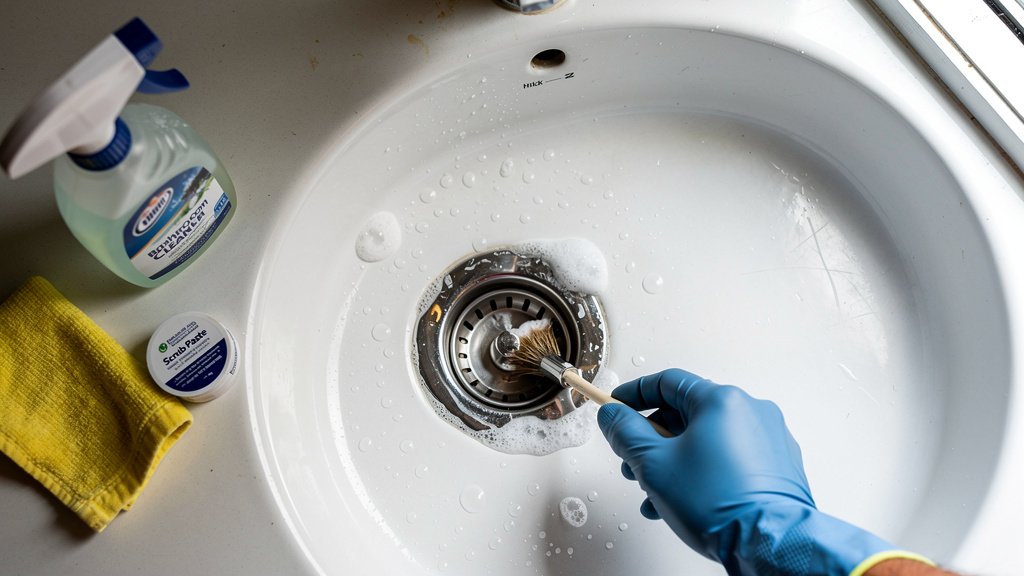
The foundation of any drain fly treatment is removing the organic biofilm where they breed. This isn't the same as your regular drain cleaning you need to physically scrub the pipe walls to remove the slime layer.
- Pour half a gallon of boiling water down the drain to loosen the biofilm
- Add one cup of white vinegar and let it sit for 15-20 minutes
- Pour in half a cup of baking soda followed by another cup of vinegar the reaction helps break down organic matter
- Use a long-handled drain brush to scrub the inside of the pipe, reaching as far down as possible
- Flush thoroughly with more boiling water
- Repeat this process every 3-4 days for two weeks to catch any emerging adults before they can lay more eggs
Martha Stewart's approach emphasizes that "the baking soda and vinegar react together to help break down the" organic buildup that drain flies feed on. However, she notes that boiling water alone often provides only "short term" results because it doesn't remove the biofilm completely.
Step 2: Use Enzyme-Based Drain Cleaners
Enzyme-based cleaners are particularly effective against drain flies because they contain bacteria that actually consume the organic matter in your pipes. Unlike chemical drain cleaners that can damage your pipes, enzymes are safe and work continuously. Look for products specifically labeled as microbial or enzyme drain cleaners, and use them according to the manufacturer's instructions. These are available at most hardware stores and home improvement centers.
Step 3: Set Up Traps for Adult Flies
While you're cleaning the drains, you can also reduce the adult population with simple traps. The most effective is a vinegar trap: fill a small bowl with apple cider vinegar, cover it with plastic wrap, and poke several small holes in the top. The flies are attracted to the vinegar, crawl in through the holes, but can't escape. You can also add a drop of dish soap to the vinegar to break the surface tension and ensure any fly that lands sinks immediately.
Step 4: When to Call a Professional
If you've tried these methods and the drain flies keep coming back after several weeks, you may have a more deeply established infestation possibly in multiple drains or in a part of your plumbing system that's difficult to reach. According to Orkin, "If you experience difficulty ridding your home of adult sewer flies, contact your local pest control professional."
Professionals have access to stronger treatments, including insect growth regulators (IGRs) that interrupt the larval development cycle, and they can identify hidden breeding sites that DIY methods might miss. They can also assess whether there are underlying plumbing issues like leaks or poor ventilation that are creating the humid conditions drain flies need to thrive.
"The most effective method for eliminating a drain fly infestation is to remove all actual breeding sources and eradicate all potential ones." Virginia Cooperative Extension, Publication ENTO-414
Preventing Drain Flies From Returning
Once you've eliminated the infestation, prevention is straightforward but requires consistency. The Alabama Cooperative Extension System emphasizes that "the key to control is regular maintenance, thorough inspections, and proper cleaning of known breeding sites."
The most important prevention measure is keeping your drains clean on a regular basis. Run hot water through sinks and showers for 30 seconds every day to flush away potential buildup. Avoid letting food particles, grease, or hair go down the drain use drain covers to catch debris and clean them regularly. Fix any leaks under sinks or around toilets promptly, as standing moisture creates ideal conditions for drain flies.
Improving ventilation in bathrooms and kitchens also helps. Use exhaust fans when showering or cooking, and consider using a dehumidifier in perpetually humid areas like basements. If you have a garbage disposal, run it with cold water and clean it regularly the moist, organic environment inside a disposal is a prime breeding site.
For drains that are used infrequently like guest bathroom sinks or floor drains consider pouring a cup of vinegar down them once a week to keep the pipes clean and discourage biofilm formation. You can also cover unused drains with a water-filled drain trap or simply seal them with a plug when not in use.
Common Mistakes and Misconceptions
Many homeowners make the same mistakes when trying to get rid of drain flies, which is why these pests seem impossible to eliminate. Understanding these misconceptions will save you time and frustration.
The biggest mistake is relying solely on bleach or boiling water. While these methods kill adult flies and some larvae, they don't remove the biofilm that serves as the food source for developing larvae. According to Southland Organics, "boiling water, bleach, and vinegar kill the flies you can see then they are back in three days" because "drain flies breed in the biofilm" that's still intact inside your pipes.
Another misconception is that drain flies indicate a dirty home. In reality, even spotless homes can have drain flies because the insects are simply exploiting the conditions that exist in any plumbing system. Regular use of sinks and showers creates the moist, organic environment drain flies need it's not a reflection of your cleaning habits.
Some people believe drain flies bite or are dangerous to humans. While they don't bite, the Alabama Cooperative Extension notes that drain flies "can potentially transmit diseases to humans from surfaces where they land" so while they're not as dangerous as mosquitoes, they're still a health concern worth addressing.
Finally, many assume that one treatment is enough. Because the life cycle is so short and new flies can emerge from remaining eggs, you need to repeat your treatment protocol for at least two to three weeks to ensure you've caught all the emerging adults before they could lay more eggs.
Frequently Asked Questions About Drain Flies
How long does it take to get rid of drain flies completely?
With consistent treatment, most drain fly infestations can be eliminated within 2-3 weeks. However, this depends on how established the infestation is and how thoroughly you address the breeding source. Severe infestations in older plumbing with significant biofilm buildup may take longer or require professional treatment.
Do drain flies bite humans?
No, drain flies do not bite. They lack the mouthparts needed to bite and are not known to feed on human blood. However, they can still be a health concern because they can transmit bacteria and pathogens from the surfaces they land on especially in kitchens and bathrooms.
Can drain flies come from other places besides drains?
Yes, while drains are the most common breeding site, drain flies can also breed in other moist organic areas. These include floor drains, sump pumps, septic tanks, garbage cans with standing water, clogged gutters, and potted plants with overly wet soil. A thorough inspection should cover all these potential sites.
Why do drain flies keep coming back after I've cleaned my drains?
This usually happens because the cleaning didn't reach deep enough into the pipes to remove all the biofilm, or because there are multiple drains with breeding sites perhaps in a guest bathroom or kitchen garbage disposal that wasn't treated. It's also possible that adult flies emerging from untreated areas are re-infesting the drains you've cleaned. Consistent, repeated treatment across all drains is key.
Are drain flies attracted to light?
Drain flies are not particularly attracted to light like moths are. They're more attracted to the moisture and organic odors coming from drains. However, they may be drawn to bathroom lights at night simply because they're already in the area hovering near the drain.
What's the difference between drain flies and sewer flies?
There is no difference they're the same insect. Drain flies go by many names depending on where they're found: "drain flies" when in home plumbing, "sewer flies" when near municipal sewers, "moth flies" because of their fuzzy appearance, "sink flies" because they're found in sinks, and "filter flies" because they sometimes breed in sewage filter beds.
Key Takeaways
- Drain flies breed in the biofilm inside your pipes killing adults alone won't solve the problem because larvae continue to mature and emerge
- The complete life cycle is only 8-24 days, meaning infestations can grow rapidly if not addressed promptly
- Deep cleaning with vinegar, baking soda, and mechanical scrubbing is more effective than bleach or boiling water alone
- Enzyme-based drain cleaners help consume the organic matter that drain flies feed on
- Repeat your treatment for at least two weeks to catch newly emerging adults before they can reproduce
- Prevention requires regular drain maintenance, fixing leaks, and improving ventilation in humid areas
- If DIY methods fail after several weeks, call a professional pest control service