How to Create a Pet-Friendly Home: A Complete Room-by-Room Guide

How to Create a Pet-Friendly Home: A Complete Room-by-Room Guide
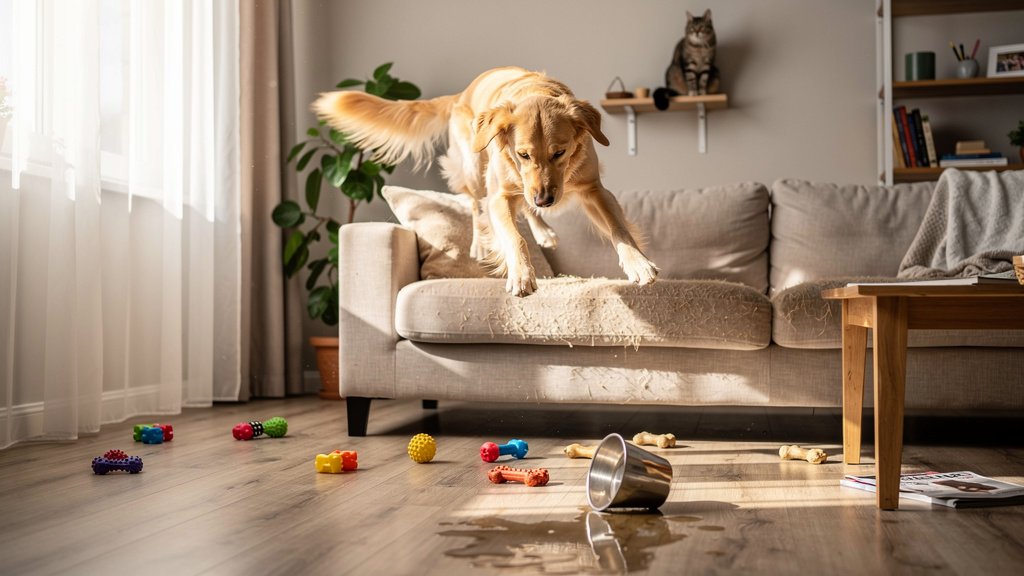
Sharing your home with a pet brings real joy, but it also demands design decisions that go well beyond picking out a bed. A genuinely pet-friendly home balances safety, durability, and style whether you have a curious kitten, a large dog who loves to zoom around after bath time, or a whole crew of animals with clashing habits.
The good news? You don't have to sacrifice aesthetics to create a space that works for both you and your pets. With some strategic choices in materials, layout, and safety measures, you can transform your living space into a harmonious environment where everyone thrives.
Why Pet-Friendly Design Matters More Than Ever
Pet ownership in the United States has reached unprecedented levels. According to the American Pet Products Association, 66% of U.S. households approximately 86.9 million families own at least one pet as of 2024. The pet industry has responded accordingly, with the market reaching $158 billion in 2025 as manufacturers develop increasingly sophisticated pet-friendly products.
This shift means designers and homeowners alike are no longer forced to choose between a beautiful home and a practical one. Today's pet-friendly materials rival traditional luxury options in appearance while offering superior durability against claws, fur, and the occasional accident.
"Pet-proofing isn't just a one-time task it's an ongoing practice as your pet grows, gets smarter, and finds new ways to explore." Michael Hyder, DVM, medical director at Veterinary Emergency Group
Types of Pet-Friendly Flooring and Materials
Choosing the right flooring is arguably the most important decision when making your home pet-friendly. The surface your pets walk on daily needs to withstand scratches, accidents, and the constant presence of fur.
Hardwood Flooring
Hardwood remains a popular choice, but not all finishes hold up the same way. Harder species like oak or maple fare better under claws, and a matte or satin finish will hide scratches far more forgivingly than high gloss. Engineered hardwood is also worth considering, since it handles moisture better and can be replaced in sections if damage occurs.
Luxury Vinyl and Tile
Modern luxury vinyl plank (LVP) has revolutionized pet-friendly flooring. It waterproof, scratch-resistant, comfortable underfoot, and comes in styles that convincingly mimic hardwood or stone. Porcelain tile offers similar durability with the added benefit of being completely waterproof ideal for homes with pets prone to accidents or those who enjoy splashing around their water bowls.
Carpet Alternatives
Wall-to-wall carpet is generally the worst choice for pet owners it traps fur, absorbs odors, and stains easily. If you must have carpet texture, look for low-pile options in solution-dyed fibers that resist staining. Area rugs in high-traffic zones can be easily cleaned or replaced, giving you flexibility without committing to carpet throughout your home.
Room-by-Room Pet-Proofing Guide
Flooring is only part of the picture a truly pet-friendly home requires thinking through each room individually. The hazards and opportunities for safety and comfort shift considerably depending on where you are in the house.
Kitchen Safety
The kitchen contains some of the biggest hazards for pets. Trash cans are a particular problem dogs and cats are drawn to food scraps and can choke on small bones or ingest toxic ingredients like chocolate, xylitol, grapes, and onions, so pet-proof lids or locked cabinets are worth the investment. Cleaning supplies, medications, and essential oils belong in childproof-latched cabinets well out of reach. A cover over the garbage disposal switch is also a smart precaution against accidental activation by curious paws.
Living Areas
In living areas where your family spends most of its time, electrical cord management deserves attention. Cords from lamps, electronics, and phone chargers are irresistible to cats in particular, and chewing them creates both a choking hazard and a fire risk cord covers or routing them behind furniture solves this quickly. Heavy pieces like bookshelves and TVs should be anchored to the wall, since a climbing or pushing pet can tip them with surprising ease.
Bathroom Hazards
Toilet lids should stay closed small pets can fall in and drown, while larger ones may drink cleaning chemicals left in the bowl. Medications belong in high or locking cabinets, especially first-aid supplies that contain ingredients toxic to animals. For senior dogs prone to sliding, a non-slip mat near the tub or sink can prevent painful falls on a slippery bathroom floor.
Windows and Vertical Spaces
Secure window blind cords with cleats or cordless options these pose strangulation risks for cats. Screen windows if you have cats who might fall or jump out, particularly in multi-story homes. For homes with cats, vertical space is essential: install cat shelves, provide tall cat trees, and ensure window perches are sturdy enough to support your pet's weight.
Pet-Friendly Fabrics and Upholstery
Your furniture faces daily assault from pet claws, fur, and the occasional accident. Choosing the right fabrics can mean the difference between a living room that looks pristine years from now and one that shows every mark.
Performance fabrics designed for pets have come a long way from the utilitarian options of the past. Look for fabrics with high double rubs count (above 30,000 for residential use), and consider leather or faux leather options leather is remarkably durable, resists odors, and fur wipes off easily. Crypton-treated fabrics offer built-in stain resistance without sacrificing softness.
When selecting colors, medium tones work best at hiding fur between cleanings. Warm grays, soft browns, and muted blues camouflage pet hair effectively. If you have light-colored pets, cream or beige fabrics will be more forgiving than white, which shows every strand.
Washable throws and slipcovers make it easy to refresh your furniture regularly. A few machine-washable blankets draped over seating areas can go straight into the laundry each week, which meaningfully extends the time between deep cleanings of your main upholstery.
Creating Designated Pet Zones
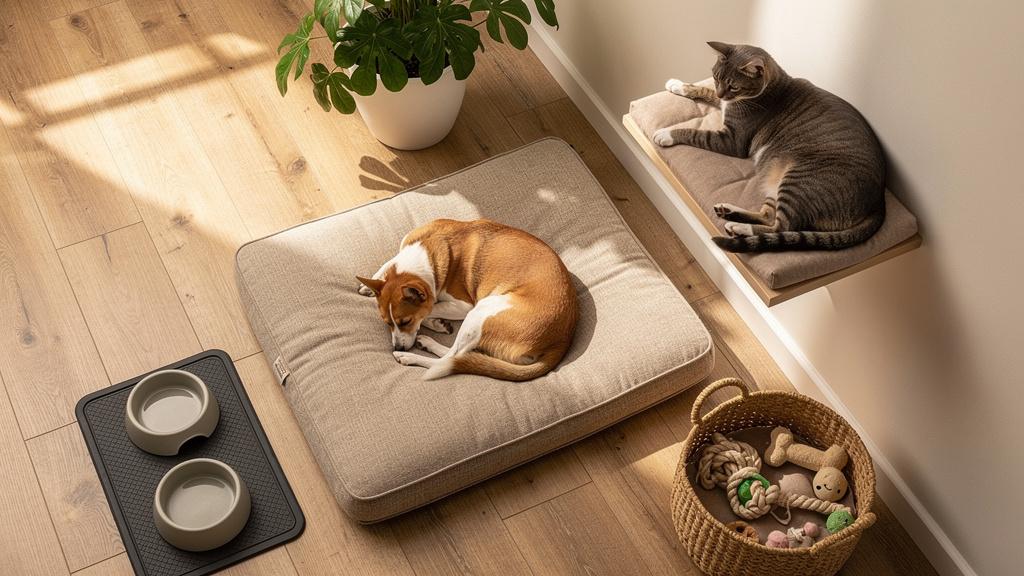
Designating specific areas for your pets helps contain mess, provides them with security, and maintains your home's overall organization.
- Choose a location near family activity but not in high-traffic pathways your pet wants to be near you without being underfoot.
- Select a bed appropriate for your pet's size and any joint issues; older dogs benefit from orthopedic beds.
- Include storage for toys, treats, and supplies hidden storage keeps your space looking polished.
- Add a water-resistant mat under food and water bowls to protect your flooring.
- Consider a pet washing station in a mudroom or laundry room if you have dogs who love to get dirty.
Boot rooms, utility areas, or underused kitchen storage can all be shaped into pet-friendly zones that feel deliberate rather than improvised. Built-in feeding stations with concealed food storage have gained traction in both new construction and renovation projects as homeowners look for tidier solutions.
Stylish Solutions That Actually Work
You don't need to accept a cluttered aesthetic to accommodate your pets. Modern design offers elegant solutions that serve double duty.
Hidden litter box enclosures function as side tables or storage benches in living areas. Custom built-in kennels can be designed to match your cabinetry, complete with ventilation and easy-clean flooring. Dog wash stations built into mudroom cabinetry look sleek and make bath time significantly easier no more struggling with a slippery tub.
Built-in pet beds integrated into cabinetry or window seats provide dedicated space without sacrificing square footage. These custom solutions work particularly well in smaller homes where every inch counts.
For renters or those not ready for permanent changes, portable solutions abound. Rolling pet beds on hardwood floors can be moved as needed. Modular storage cubes can be configured as temporary pet areas. Window perch seats attach without permanent installation.
Common Mistakes Pet Owners Make
Even well-intentioned pet parents overlook some key considerations when setting up their homes.
Forgetting to pet-proof from your pet's perspective ranks among the most common oversights. Getting down on your hands and knees and viewing your home at pet level reveals potential hazards you'd otherwise miss small objects on floors, dangling cords, toxic houseplants within jumping distance.
Choosing style over function tends to backfire fast that delicate silk rug might be gorgeous, but it won't survive a single accident or energetic play session. In high-traffic zones, durability has to come first; save the more fragile materials for rooms where pets rarely venture.
Neglecting regular grooming contributes to excessive fur accumulation. Brushing your pet regularly reduces shedding dramatically and prevents hair from accumulating in corners, on furniture, and in air filters.
Overlooking air quality affects both pets and humans. HEPA air purifiers, regular vacuuming with pet-specific attachments, and maintaining appropriate humidity levels create a healthier environment for everyone.
Frequently Asked Questions
What is the most durable flooring for dogs with claws?
Luxury vinyl plank and porcelain tile offer the best combination of scratch resistance, water resistance, and comfort. Both are easy to clean and can handle the wear that active dogs bring. If you prefer hardwood, choose harder species like oak or maple with a matte finish that hides scratches better than glossy options.
How often should I replace my pet's bedding?
Pet bedding should be washed weekly and replaced every one to two years, depending on the material and your pet's usage. Orthopedic beds for senior pets may need replacement sooner if the support material has compressed. Watch for odors that persist after washing, visible wear, or flattening these indicate it's time for a new bed.
Are there pet-friendly houseplants that are safe around cats and dogs?
Several houseplants are non-toxic to pets: spider plants, Boston ferns, African violets, and bamboo palm are all safe choices. However, the ASPCA recommends always researching any plant before bringing it home, as even some "safe" plants can cause mild stomach upset if ingested in large quantities. Remove toxic plants like lilies, azaleas, and tulips entirely from any area your pets can access.
How do I keep my pet from damaging my furniture?
Provide appropriate alternatives for scratching (cats) and chewing (dogs). For cats, offer multiple scratching posts covered in different materials (sisal, cardboard, carpet) to determine preferences. For dogs, provide durable chew toys and ensure adequate exercise to reduce destructive tendencies. Applying double-sided tape to furniture edges can deter cats from climbing onto surfaces, and regular nail trims minimize scratch damage.
What's the best way to hide pet supplies without a dedicated mudroom?
Use decorative baskets in living areas for toy storage. A storage ottoman can hold blankets and supplies while functioning as extra seating. Kitchen cabinetry with pull-out bins works excellently for food storage. Woven baskets with lids provide attractive storage that matches various decor styles while keeping food secure from curious pets.
How do I remove pet odors from my home permanently?
Start by identifying the source odors often come from accidents trapped in carpet padding or from your pet's skin and ears if there's an underlying health issue. Deep-clean carpeting with enzymatic cleaners specifically designed for pet odors. Wash pet bedding weekly in hot water. Use an air purifier with a HEPA filter to capture airborne odor particles. If odors persist despite these efforts, consult your veterinarian persistent smell can sometimes indicate infections or allergies requiring medical attention.
What to Keep in Mind Before You Start
- Choose scratch-resistant, water-resistant flooring like luxury vinyl plank or porcelain tile rather than traditional carpet.
- Pet-proof your home by securing trash cans, toxic plants, chemicals, and electrical cords in every room.
- Select performance fabrics with high double rub counts for upholstery, and use medium tones that camouflage fur.
- Create designated pet zones with comfortable bedding, organized toy storage, and easy-clean water-resistant mats.
- Get down to pet eye level regularly to identify hazards you might otherwise miss.
- Regular grooming significantly reduces fur accumulation and improves your pet's coat health.
- Pet-friendly design doesn't mean sacrificing style modern materials and custom built-ins can be both functional and beautiful.