Pergo Flooring vs Vinyl: Which Is Right for Your Home?

Pergo Flooring vs Vinyl: Which Is Right for Your Home?
Choosing between Pergo flooring and vinyl plank is one of the most common flooring decisions homeowners face today. Both materials have exploded in popularity over the past decade, offering realistic wood looks at a fraction of the cost of genuine hardwood. But they perform very differently depending on your household whether you have kids, pets, or live in a humid climate.
After testing both materials in my own renovation projects and hearing from countless readers about their experiences, I can tell you there's no universal "winner." The right choice depends entirely on where you're installing it, what your lifestyle demands, and how much maintenance you're willing to accept. Let me break down exactly what separates these two flooring giants.
What Actually Separates These Materials
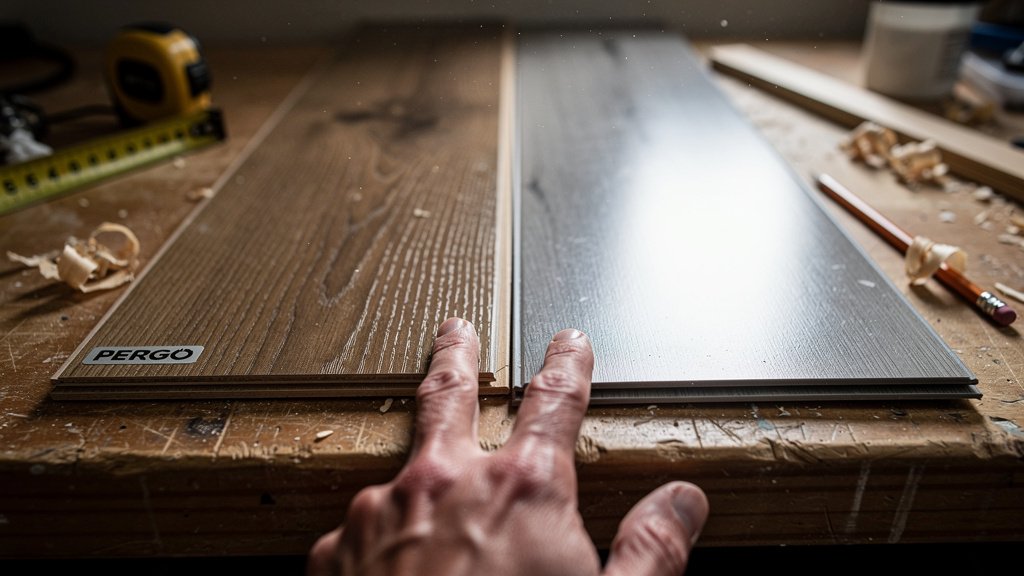
The fundamental difference comes down to what each product is made of. Pergo is a brand of laminate flooring, which uses a core of compressed wood fibers topped with a photographic layer that mimics wood, stone, or tile, then covered with a protective wear layer. Vinyl plank, on the other hand, is made entirely from synthetic PVC materials it's essentially plastic all the way through.
This core difference drives almost every other distinction between them. Laminate's wood-based core means it behaves more like wood it feels firmer underfoot and can warp or swell when exposed to standing water. Vinyl is completely synthetic, which is why it handles moisture so much better. Consumer Reports notes that laminate floors can work almost anywhere as long as you like the look, but they specifically caution against using them in wet areas.
Here's where things get interesting: Pergo has recently launched waterproof laminate lines (like their Outlast+ collection) that use sealed joints and hydrophobic coatings to resist moisture. These represent a genuine middle ground, though they're not the same as truly waterproof vinyl.
Water Resistance: The Dealbreaker for Many
Water resistance is where vinyl clearly wins, and it's the primary reason many families choose LVP over laminate. Vinyl plank is inherently waterproof you can submerge it, leave spills sitting for hours, and it won't batt an eye. This makes it the obvious choice for bathrooms, kitchens, basements, and laundry rooms.
Pergo laminate, particularly older generations, tells a different story. One Reddit user in a popular home improvement thread put it bluntly: "First we did pergo, and it was very slick and not 100% waterproof. We had warping and bubbling." That's a common complaint, especially in homes with pets who have accidents or in flood-prone areas.
The newer waterproof Pergo products have narrowed this gap significantly. Their Outlast+ line is specifically rated for bathrooms and kitchens and is advertised as waterproof, not just water-resistant. However, even Pergo acknowledges that their standard laminate products should be treated with more caution around water than vinyl.
If you're remodeling after a dishwasher flood (a surprisingly common scenario I hear about), vinyl is probably the safer bet. A homeowner on Houzz described exactly this situation they had three kids, chickens, and needed to wet-mop regularly and ultimately chose vinyl "because the reason we remodeled is due to a dishwasher flood."
Durability and Scratch Resistance
This is where the conversation gets more nuanced. Laminate traditionally held the edge in scratch resistance that hard wood-fiber core and thick wear layer could handle pets' claws, furniture sliding, and kids' toys better than older vinyl. But luxury vinyl plank (LVP) has evolved dramatically, and the gap has narrowed considerably.
According to flooring experts at America's Floor Source, "Laminate wins on sharper hardwood realism, strong scratch resistance, and better fade performance in sunny rooms." That's a significant endorsement, particularly if you have large windows that flood your space with sunlight. Vinyl can sometimes fade or discolor over time with prolonged UV exposure, while laminate tends to hold its color better.
However, LVP has its own durability advantages. It feels slightly warmer and softer underfoot, which families with young children often appreciate. It also absorbs sound better laminate can sometimes sound "hollow" or echo, especially with hard shoes. If you've ever walked on laminate in a quiet house, you know that distinctive tapping sound. Vinyl dampens that noise naturally.
The wear layer thickness in LVP matters enormously. Premium vinyl with a 20-mil wear layer will outperform basic laminate in most household scenarios. Budget vinyl with a 6-mil or 12-mil layer? That's where you might run into problems. As one flooring professional noted, "vinyl more water proof but laminate stronger against scratches" and that's a fair summary.
Cost Comparison: What You'll Actually Spend
Both materials occupy a similar price range, which is part of what makes the decision so confusing. According to Home Depot, laminate ranges from $1 to $5 per square foot for materials, while vinyl spans the same $1 to $5 range. When you factor in professional installation, Fixr reports vinyl runs $2-7 per square foot installed, while laminate runs $2-8 per square foot installed.
The real cost story is more complicated than those numbers suggest. Premium waterproof laminate (like Pergo's top lines) can push toward $5 per square foot, while budget LVP can dip below $2. For a typical 500-square-foot room, you're looking at a material cost between $500 and $2,500 before installation.
One cost advantage vinyl sometimes holds: it can often be installed directly over existing hard-surface floors, while laminate sometimes requires more subfloor preparation. That can tip the total project cost in vinyl's favor, especially in older homes with imperfect subfloors.
Both materials are significantly cheaper than real hardwood ($6-12 per square foot) or engineered wood ($3-7 per square foot), which is why they've become the default choice for budget-conscious renovations that still want a premium look.
Lifespan and Warranty Realities
Warranty terms can be misleading, so let me give you the realistic expectations. Fixr reports that vinyl can last up to 50 years, though 10-25 years is more typical for residential use. Laminate typically lasts up to 30 years. In practice, both materials will serve you well for 15-20 years with proper care.
Pergo offers limited lifetime residential warranties on their laminate products, with 10-year coverage for light commercial use. But here's what many homeowners don't realize those warranties often have specific conditions. They typically cover structural integrity and wear-through, but not water damage from flooding or improper installation. Consumer Affairs reviews of Pergo reveal common complaints about warranty claims being denied, particularly for issues related to moisture exposure.
Vinyl warranties vary widely by product quality. Budget vinyl might come with only 10-year residential coverage, while premium LVP lines offer lifetime residential warranties. The warranty length often reflects expected product lifespan, so pay attention to what's actually being promised.
Which Rooms Work Best for Each
For bathrooms, kitchens, and laundry rooms, vinyl is the clear winner. Its waterproof nature handles humidity and spills without drama. Basements also favor vinyl since moisture can migrate up through concrete slabs.
Living rooms, bedrooms, and dining rooms are more flexible. If you prioritize that authentic wood feel and sharper visual realism, premium laminate like Pergo delivers a more convincing wood look than most vinyl especially in bright rooms where UV fade resistance matters.
Here's an honest admission I couldn't find in most comparison articles: whether indoor-only vinyl flooring faces meaningful risk from temperature fluctuations in poorly climate-controlled homes is genuinely unclear. Most manufacturers recommend temperature control, but the actual failure rates in edge cases aren't well-documented anywhere I looked.

Making Your Decision
Here's my honest take after years of covering this industry: the Pergo vs. vinyl debate often misses the point. Instead of asking "which is better," ask "which is better for this specific room in my specific home?"
If you have pets that have accidents, young children who spill constantly, or you're flooring a basement bathroom go vinyl. Its waterproof nature will save you headaches and potentially expensive repairs.
If you're prioritizing wood-grain realism in a sun-drenched living room, want that firmer underfoot feel, and can commit to wiping up spills promptly, Pergo laminate (especially their waterproof lines) delivers a more authentic look.
Many homes end up using both vinyl in wet areas and Pergo in living spaces. That's not a compromise; it's a smart strategy that matches each material to where it performs best.