What Is Maximalist Interior Design? A Complete Guide

What Is Maximalist Interior Design? A Complete Guide
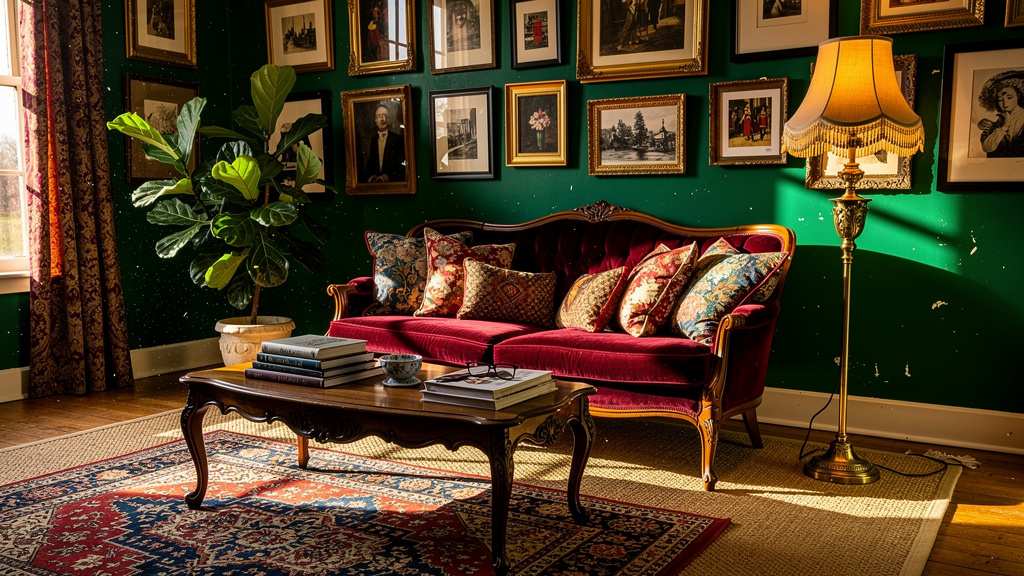
Walk into a maximalist space and your eyes don't know where to land first and that's precisely the point. Where minimalism whispers, maximalist interior design shouts with confidence, layering color, pattern, texture, and personality into spaces that feel alive rather than sterile. If you've ever felt constrained by the "less is more" philosophy, this design approach might be the antidote you've been searching for.
Understanding the Maximalist Philosophy
At its core, maximalist interior design embraces the philosophy of "more is more" a direct response to the minimalist movement that dominated home design through much of the 2010s. According to Wikipedia, "in the arts, maximalism is an aesthetic characterized by excess and abundance, serving as a reaction against minimalism." This isn't about clutter for clutter's sake; it's about intentional abundance that celebrates rather than overwhelms.
The style extends beyond mere decoration into a broader approach to living. As one designer put it, maximalism suggests "there's beauty in excess, richness in diversity, and joy in indulgence." It's an affirmation of self-expression that encourages surrounding yourself with things that bring genuine joy whether that's vibrant colors, eclectic patterns, or a curated collection of cherished objects.
What makes maximalism distinctly appealing is its rejection of design conformity. Where minimalism often produces spaces that feel interchangeable, maximalist interiors are deeply personal. They reflect the personalities of their inhabitants through unique combinations that can't be replicated at IKEA.
How Maximalist Design Differs from Minimalism
The contrast between these two approaches defines modern design discourse. Minimalist interiors emphasize clean lines, open concepts, and neutral palettes all in service of creating what practitioners call a calm, grounded sanctuary through simplicity. The goal is emptiness that feels intentional.
Maximalist spaces, by contrast, feel brimming with life. Think of a maximalist room as a private museum on display. As described by design experts, maximalists become "curators of their own space, reflecting their personalities through their unique decorating style." Where minimalism seeks to eliminate the unnecessary, maximalism celebrates the accumulated.
Here's the crucial distinction: maximalist spaces aren't simply messy or overwhelming. When executed correctly, they achieve cohesion through intentional layering. The difference between a maximalist room and simply having too much stuff comes down to curation and balance every element should earn its place.
Key Characteristics of Maximalist Interiors
Several defining traits distinguish maximalist interior design from other approaches. First, there's the bold use of color. Rather than neutral foundations with accent pieces, maximalist spaces often feature highly saturated colors across multiple surfaces walls, ceilings, fabrics, and accessories working together rather than against each other.
Pattern mixing represents another hallmark. Floral, geometric, and abstract prints coexist in ways that would clash in minimal contexts but harmonize in maximalist ones. Textiles like velvet, marble, and carved wood combine to create rich tactile experiences. Layering extends beyond visual elements into textures think rugs layered on rugs, throw blankets piled on sofas, and curtains that frame windows with weight and presence.
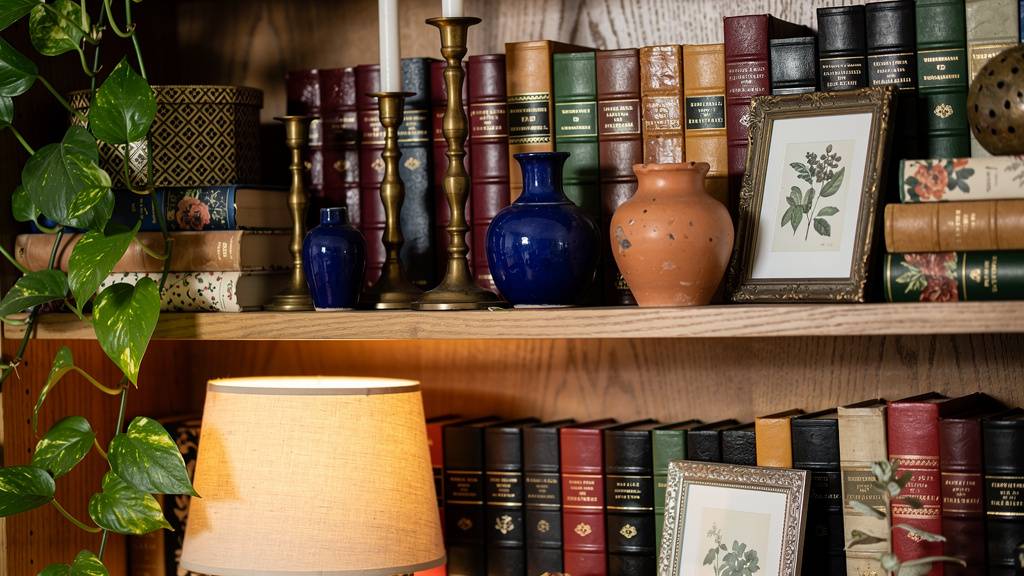
Gallery walls exemplify the maximalist approach to displaying art. Rather than a single statement piece with breathing room, maximalists cluster multiple works salon-style, creating dense installations that tell stories through accumulated visual history. Collections whether vintage cameras, ceramic vessels, or architectural salvage become focal points rather than hidden away.
Why Maximalism Is Having a Moment
The current resurgence makes sense given cultural fatigue with minimalist austerity. House Beautiful reports that trends like "pattern drenching and intentional clutter are going mainstream in 2025," driving maximalism's renewed popularity. After years of being told to pare down, many homeowners are ready to fill their spaces with things that matter to them.
There's also something intrinsically appealing about spaces that feel inhabited and personal. Minimalist homes often achieve their clean aesthetic through professional styling that can feel impersonal. Maximalist interiors tell stories they evolve over time as collections grow and travel memories accumulate.
The style also accommodates personality in ways minimalism rarely does. For those who find minimal spaces restrictive or cold, maximalism offers permission to embrace rather than suppress their natural inclinations toward accumulation and decoration.
Common Challenges and How to Address Them
Here's an honest admission: executing maximalist design successfully is harder than it looks. The fine line between a "maximalist wonderland and simply having too much stuff" is real, as House Beautiful notes. Most people struggle to capture this busy aesthetic without their homes ending up like a hodgepodge of tchotchkes.
The solution isn't restraint that would defeat the purpose but rather intentionality. Every element in a maximalist space should be chosen carefully while maintaining high-quality materials. The goal is curated abundance, not random accumulation. This means editing ruthlessly before layering; you build complexity by adding meaningful pieces, not by refusing to discard anything.
Color cohesion becomes essential when working with bold choices. Many successful maximalist spaces anchor themselves with a consistent palette that ties disparate elements together. Texture variety prevents visual monotony. Scale variation mixing grand statement pieces with smaller accessories creates visual rhythm.
Key Takeaways
- Maximalist interior design embraces "more is more" as a philosophy, celebrating abundance rather than minimizing it
- The style differs from clutter through intentional curation every element earns its place through personal meaning or design contribution
- Bold colors, mixed patterns, rich textures, and layered elements define the aesthetic
- Current trends show maximalism gaining popularity as pattern drenching and intentional clutter go mainstream in 2025
- Success requires balancing abundance with cohesion curation skills matter more than budget