How to Choose the Perfect Accent Wall for Any Room

How to Choose the Perfect Accent Wall for Any Room
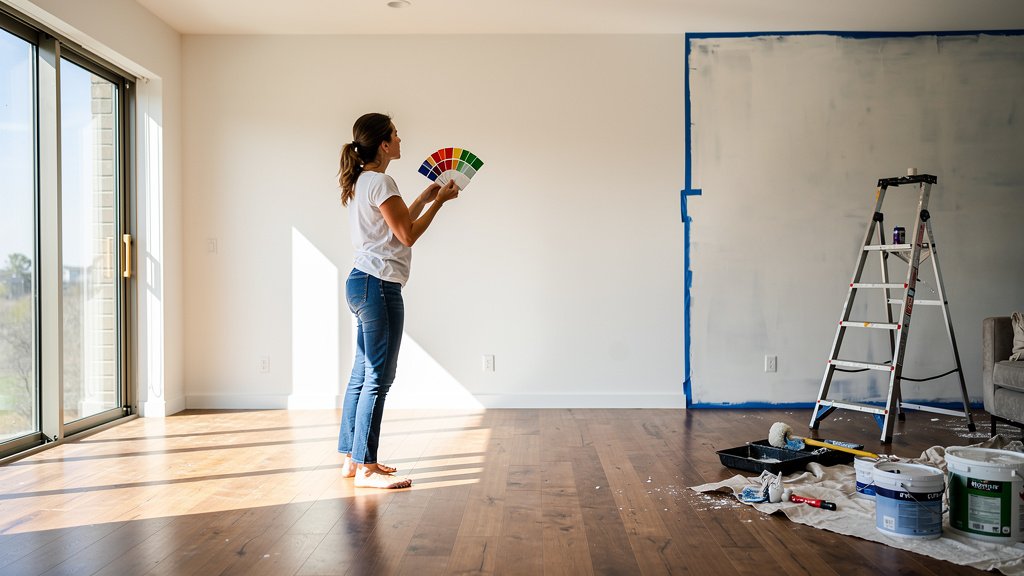
Picking the wrong wall for an accent can make your entire room feel off-balance. Pick the right one, and even a single coat of paint can transform a boring space into something that actually looks designed. So which wall should be the accent wall? The answer comes down to understanding how your room already works.
Most people assume any wall will do, but interior designers have a pretty consistent rule: the best accent wall is the one your eye naturally goes to first when you walk into the room. That's not arbitrary it's about working with your space rather than against it.
What Is the Best Wall to Choose for an Accent Wall?
The ideal accent wall is either the first wall you see when entering a room or the wall that already functions as a natural focal point. This means walls behind sofas, beds, fireplaces, or any architectural feature that already commands attention.
According to design professionals, you should select your accent wall based on where in a space the eye goes first. If you have a fireplace, that's usually your focal point. If you don't have one, think about what anchors the room a large sectional sofa, a statement headboard, or even a wall of built-in shelving.
The key principle here is enhancement, not competition. Your accent wall should amplify something that's already there, not create a random splash of color that fights for attention with the room's natural architecture.
What Happens If You Pick the Wrong Wall?
Choosing a wall that's broken up by multiple doors or windows makes it nearly impossible to create a cohesive effect. The color gets interrupted constantly, which looks unintentional rather than designed. You end up with a patchy result that actually draws attention to the problem areas rather than solving them.
Beyond visual interruption, there's the question of balance. An accent wall in the wrong spot can make a room feel lopsided or create an awkward focal point that pulls the eye to something you don't want emphasized like a cluttered corner or an ugly outlet arrangement.
Rooms with odd proportions also suffer from poor accent wall choices. In a long, narrow hallway, for instance, the wrong wall can make the space feel even more stretched. The right wall can actually correct visual proportions and make the room feel more grounded.
Does Lighting Affect Which Wall You Should Pick?
Absolutely. Natural light dramatically changes how your accent color reads throughout the day. A wall that gets direct sunlight will make darker colors appear more vibrant but can also cause certain hues to wash out by midday. A wall in shadow will make the same color look deeper and more dramatic.
If your room has strong natural light coming from one direction, consider placing your accent wall opposite the source. This creates more balanced illumination and prevents the color from looking inconsistent at different times of day.
For rooms with limited natural light, lighter accent colors tend to work better than dark ones. Dark accent walls can absorb what little light you have and make the space feel smaller. But if you really want a dark accent in a dim room, placing it opposite a window or light source can help reflect some brightness back into the space.
Should You Use the 60-30-10 Rule?
The 60-30-10 rule is one of the most reliable frameworks for color planning in any room, accent wall included. Here's how it breaks down:
- **60%** Your dominant color, which covers most of the room including walls and large furniture pieces
- **30%** A secondary color used on smaller furniture, drapes, or accent walls themselves
- **10%** A bold accent color for decorative accessories, throw pillows, or artwork
When your accent wall represents that 30% slot, it should complement your dominant wall color without matching it exactly. The goal is contrast that feels intentional typically a few shades darker or lighter than your main wall color, or a completely different hue from the same color family.
If your existing walls are already a midtone or deeper hue, try a lighter accent wall color to create that essential contrast. If your walls are very light, going darker can add the depth you need.
What Are the Best Locations for an Accent Wall?
While accent walls have gotten a bad reputation in some design circles for being a lazy shortcut, there are specific locations where they genuinely work well. These spots share a common thread: they already have something worth emphasizing.
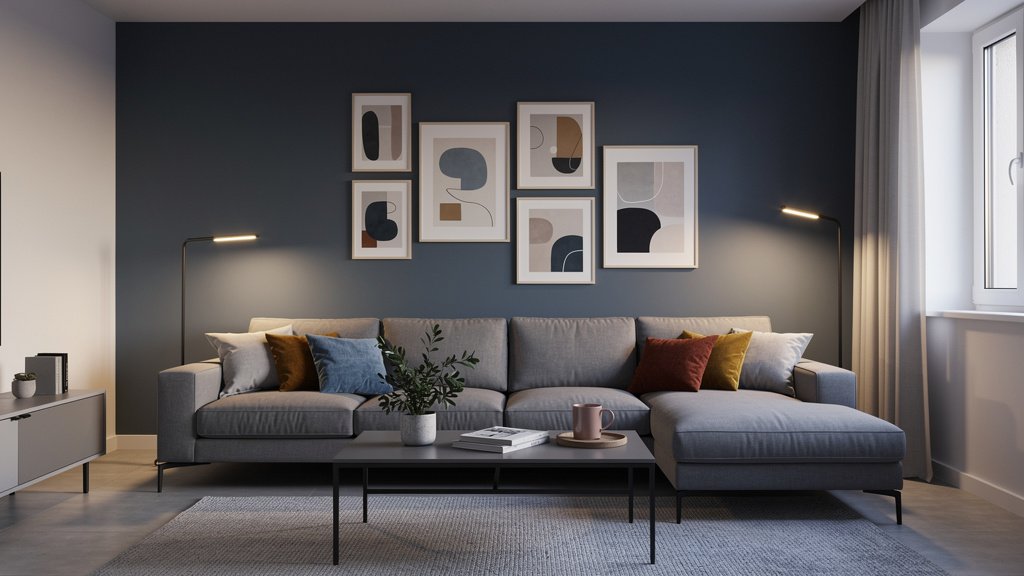
The wall behind your bed in a bedroom is perhaps the most classic choice. It creates a natural headboard effect and anchors the room's primary furniture piece. Similarly, the wall behind a sofa in a living room draws the eye across the seating area and makes the arrangement feel more intentional.
Fireplace walls remain a top pick because the fireplace is already the room's focal point. Enhancing it with color or texture simply amplifies what already exists. Hallway walls, particularly the back wall you see when entering, can also benefit from accent treatment especially in longer corridors that need visual interest.
Nooks and recessed areas are unexpected spots that can work beautifully. A small reading corner, an alcove, or even a stairwell landing can become a striking accent area that feels designed rather than arbitrary.
Key Takeaways
- Choose the wall your eye naturally goes to first it's already acting as a focal point
- Avoid walls with multiple doors and windows that fragment the color
- Consider lighting: opposite windows for balance, lighter colors in dark rooms
- Apply the 60-30-10 rule: your accent wall is the 30% in your color scheme
- Best locations: behind beds, behind sofas, fireplace walls, and hallway back walls