Asphalt Shingle Roof Lifespan: What Homeowners Need to Know

Asphalt Shingle Roof Lifespan: What Homeowners Need to Know
If you're a homeowner, at some point you'll face the question every homeowner dreads: how long do asphalt shingles last before I need to replace this thing? It's not exactly the kind of home improvement topic that gets the blood pumping, but ignoring your roof until there's water dripping onto your kitchen island is a really expensive mistake. The good news is that understanding what affects asphalt shingle roof lifespan helps you plan, budget, and actually get the full value out of your roofing investment.
How Long Does an Asphalt Shingle Roof Actually Last?
The short answer is that most asphalt shingle roofs last between 15 and 30 years, but that range covers a lot of territory. According to the National Association of Home Builders (NAHB), asphalt shingles typically last between 20 and 30 years under normal conditions, though actual lifespans can vary by up to 40% based on factors like climate, installation quality, and maintenance.
The type of shingle you choose makes an enormous difference. Three-tab shingles the basic, flat ones you see on countless suburban homes typically last 15 to 20 years. Architectural (also called dimensional) shingles, which are about 50% heavier and feature multiple layers bonded together, often last 25 to 30 years. Premium or luxury shingles can push that even further, with some manufacturers claiming 40 to 50 years under ideal conditions.
Those "30-year" warranties are not promises they're more like guidelines. A 30-year architectural shingle might give you a full three decades in the mild climate of the Pacific Northwest, but the same product could be begging for replacement after 15 years in the brutal sun of Arizona or the ice-dam country of the Upper Midwest. Warranties assume ideal conditions, which most roofs never actually see.
What Actually Determines How Long Your Roof Lasts
Eight major factors determine whether your roof hits the low end or the high end of the lifespan spectrum. Climate and weather conditions sit at the top of that list, and they're largely out of your control. Roofs in regions with extreme heat, heavy snowfall, frequent ice storms, or hurricane-force winds simply wear out faster. The IBHS (Insurance Institute for Business & Home Safety) notes that even without any other damage source, aging alone can result in a lifespan of just 10 to 15 years for some roofing products in harsh climates.
Installation quality matters more than most homeowners realize. A poorly installed roof shingles that aren't properly nailed, underlayment that's compromised, flashing that's done sloppily will fail years before it should, regardless of how good the shingles themselves are. This is exactly why choosing an experienced, reputable roofing contractor is one of the most important decisions you'll make about your roof.
Attic ventilation is another critical factor that gets overlooked. Proper ventilation allows heat and moisture to escape, preventing the kind of thermal cycling that breaks down shingles from the inside. In fact, proper attic ventilation alone helps shingles reach 80% to 85% of their maximum potential lifespan. Without it, you're basically cooking your roof from below during summer months and creating moisture problems in winter.
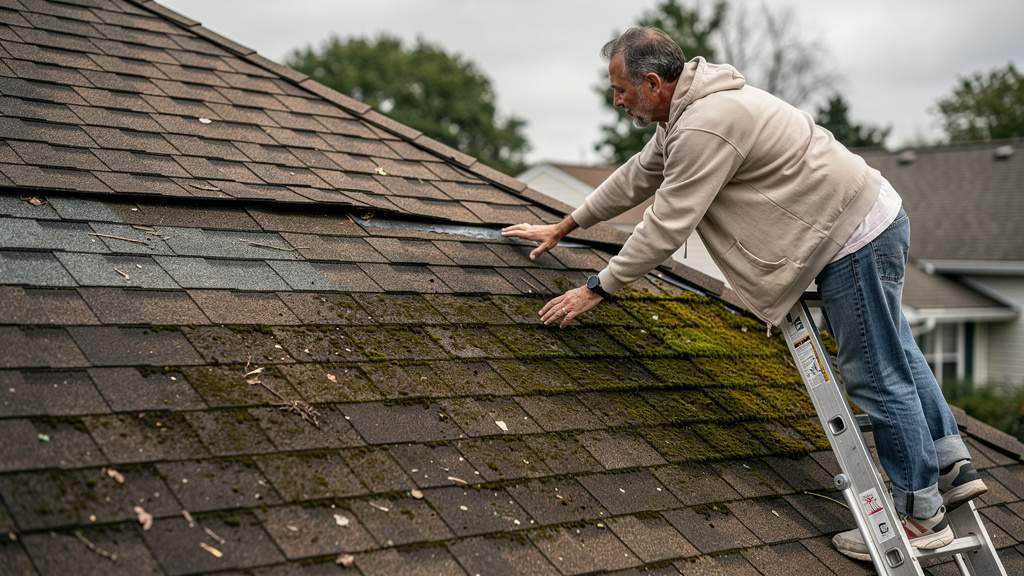
Maintenance is the factor homeowners have the most control over, and it's not complicated. Regular gutter cleaning, cutting back overhanging branches that drop debris or trap moisture against shingles, and catching small problems before they escalate all of this adds years to your roof's life. Even something as simple as removing moss buildup can make a significant difference, since moss retains moisture and gradually degrades the shingle surface.
Warning Signs Your Roof Is Reaching the End
Knowing what to look for helps you replace before disaster strikes. Granule loss is often the first visible sign those little stone particles you find in your gutters are the protective coating wearing off your shingles. Once that protective layer is gone, the asphalt underneath degrades rapidly.
Curling and cracking are next on the list. Shingles that are cupping, curling at the edges, or showing cracks are past their prime. Missing shingles are an obvious emergency, but even single missing shingles can let water penetrate and cause damage that spreads far beyond the visible hole. Dark streaks usually indicate moss or algae growth, which isn't just cosmetic it means moisture is being retained on your roof surface.
Sagging anywhere on the roof surface is a serious sign of structural problems and needs immediate attention. Water stains on your ceilings or walls indicate a leak is already present, meaning your roof's ability to protect your home is already compromised.
Most old-style asphalt roofs start showing serious wear after about 14 years in harsh climates, while roofs in milder areas might push past 20 years before needing attention. If your roof is approaching 20 years old, it's worth getting a professional inspection even if everything looks fine from the ground.
How Much Does a New Asphalt Shingle Roof Cost?
Let's talk money, because this affects how you plan. Most homeowners can expect to pay around $9,500 for a new asphalt shingle roof on a standard 2,000 square foot house, according to recent industry data. That figure can vary significantly based on your location, the complexity of your roof, and the type of shingles you select.
Three-tab shingles typically start around $1.50 to $2.00 per square foot for materials, while architectural shingles run $4.00 to $6.00 per square foot installed. Premium shingles can push $8.00 or more per square foot. On a typical roof of 1,500 to 2,000 square feet, the difference between shingle tiers can amount to thousands of dollars in total project cost.
The real cost isn't just the shingles, though. Labor, removal of the old roof, underlayment, flashing, and any necessary repairs to the underlying structure all factor in. Getting multiple quotes from reputable contractors and understanding exactly what's included matters a lot more than chasing the lowest price, because the cheapest bid often ends up costing more when shortcuts become problems later.
What to Keep in Mind About Roof Lifespan
- Standard asphalt shingle roofs last 15-30 years, with 20-30 years being typical for most installations
- Three-tab shingles last 15-20 years, architectural/dimensional shingles last 25-30 years, and premium shingles can exceed 40 years
- Climate, installation quality, attic ventilation, and ongoing maintenance are the four biggest factors affecting lifespan
- Granule loss in gutters, curling, cracking, and missing shingles are the most common warning signs of an aging roof
- Average roof replacement costs around $9,500-$14,500 depending on location, roof size, and shingle type
- Regular inspections, gutter cleaning, and prompt repairs can add significant years to your roof's useful life